In this episode of the Superinsight podcast, we sit down with Diane Haar to explore the transformation of legal practice through artificial intelligence. Join our founders Luke Connally and Nelson Chu as they discuss the evolving landscape of legal technology, practical AI applications, and the future of law practice.
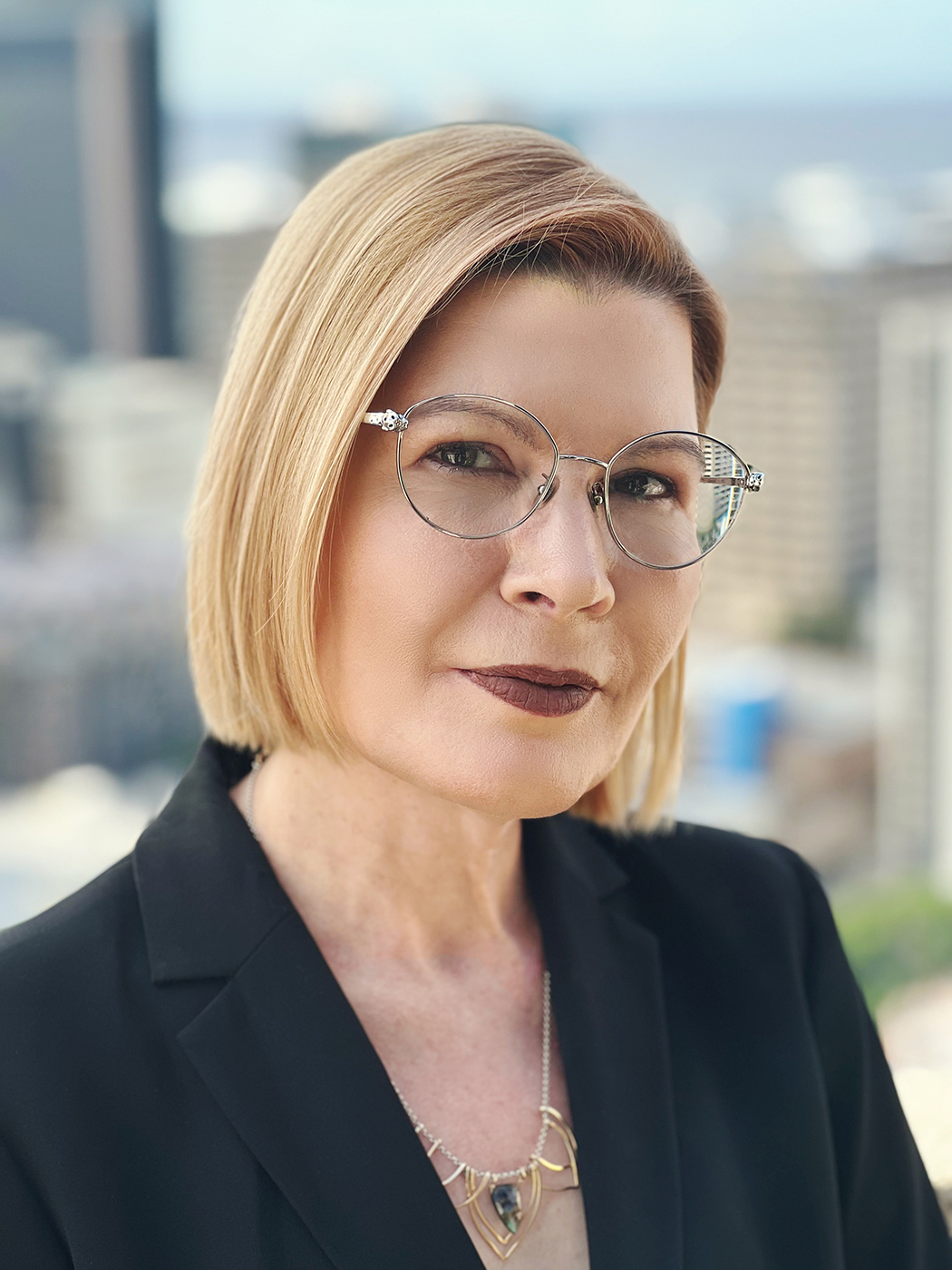
Diane Haar
Founder, Hawaii Disability Legal Services
Disability Law
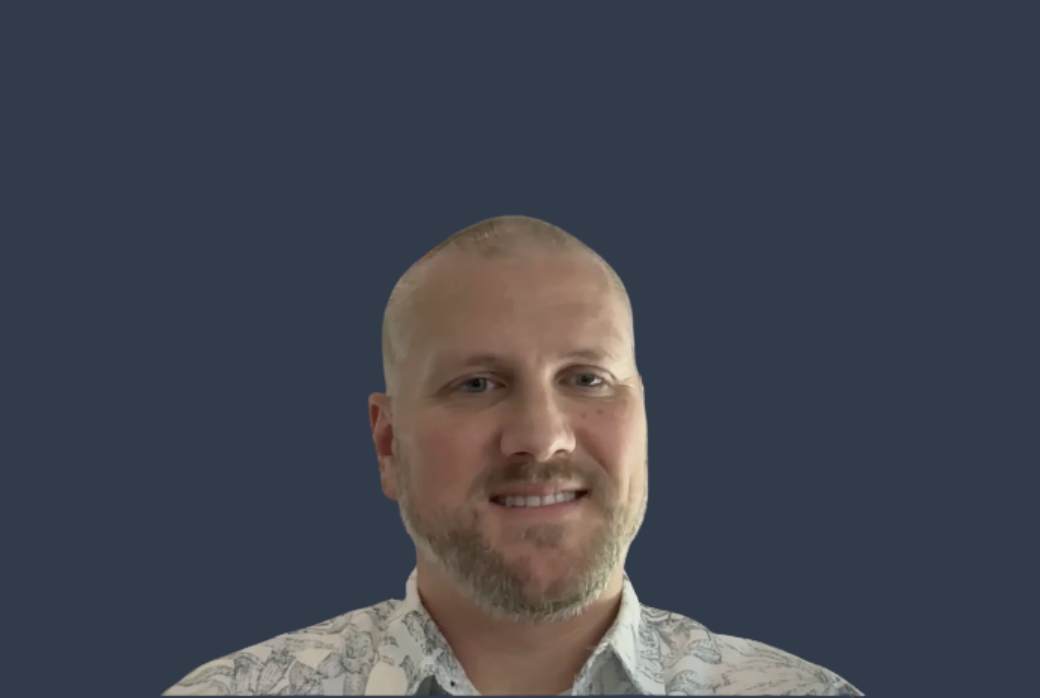
Luke Connally
Co-Founder, Superinsight.ai
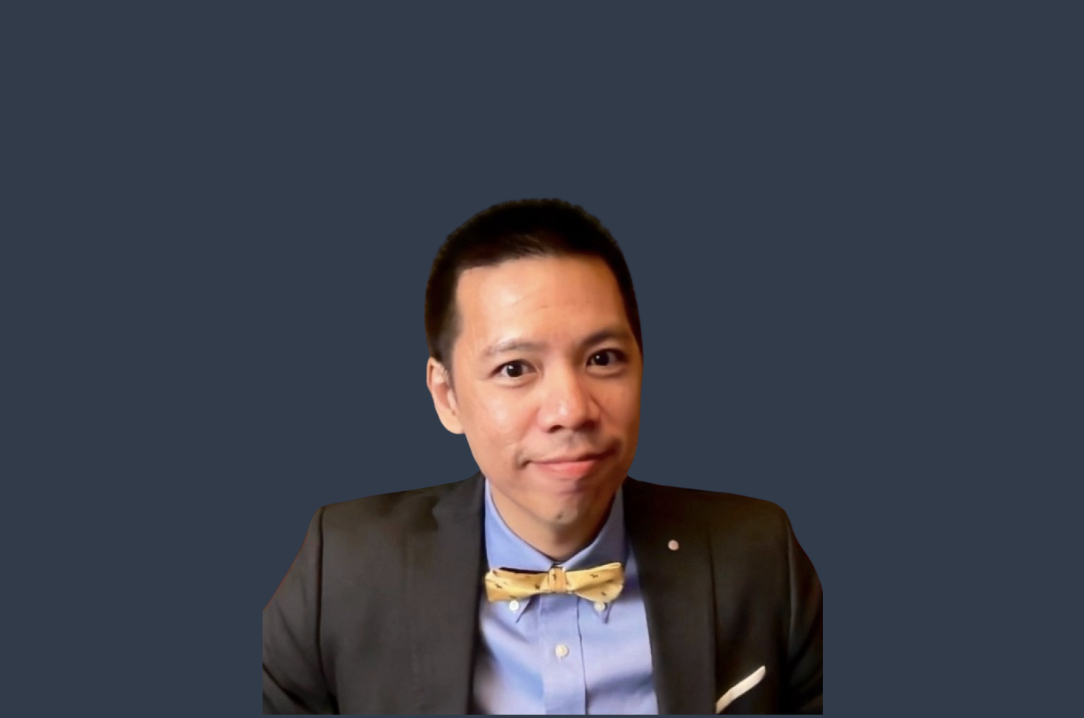
Nelson Chu
Co-Founder, Superinsight.ai
🎧 Listen to the Podcast
Listen on Spotify • 47-minute episode
Episode Overview
This episode explores the practical applications of AI in legal practice, featuring insights from Diane Haar on how artificial intelligence is transforming the way legal professionals work, serve clients, and approach complex cases.
Key Topics Covered:
- The current state of AI adoption in legal practice
- Challenges and opportunities in legal technology
- How AI is improving efficiency and accuracy in legal work
- The future of legal practice with emerging technologies
- Practical advice for legal professionals considering AI adoption
About Our Guest
Diane Haar founded Hawaii Disability Legal Services with one mission: to help people facing serious health challenges access the support they need to survive and thrive. From her own journey of survival, recovery, and resilience, Diane built a practice that serves clients across the Hawaiian islands, the Pacific Territories, and nearby countries.
Diane often meets clients wherever they are, from homeless shelters to hospital beds, demonstrating her commitment to accessibility and compassion. A lifelong technology power user, Diane built her practice so her entire office is always at her fingertips, and she continues to innovate by creating her own AI tools to maximize impact.
Diane's unique approach proves that even in law, compassion and cutting-edge technology can work hand in hand. Her experience with both the human side of legal practice and the technical innovation side provides invaluable insights into how AI can truly serve those who need it most.
📝 Full Transcript
Luke Connally (00:08)
Welcome to Super Insights Podcast. I'm your host, Luke Connally
Nelson Chu (00:13)
I'm your other co-host, Nelson Chu.
Luke Connally (00:15)
and we like to talk to legal practitioners who are in the trenches working with clients while also navigating the changes between law and technology that they're having to deal with. So today we are going to be talking with Diane Haar.
And in this episode, we're going to sit down with her and she's going to let us know more about her journey into law and how it was shaped by resilience, global experience, and just a life-changing accident that shaped a lot of what she does today. After putting herself through school, Diane went on to graduate from Berkeley and Yale, litigate war crimes, and earn a master's degree in public health.
But it was her own recovery that led her to disability law and ultimately to founding her firm in Hawaii, where she has spent the last 15 years serving clients across the Pacific territories. From coding her own case management software to adopting AI tools like Gemini and ChatGPT, Diane has built a truly remote first practice that combines legal innovation with human connection.
Along the way, she's confronted the challenges of government bureaucracy, the critical need for in-person hearings, and the fight to ensure that vulnerable communities are not left behind. So her story is one of grit, advocacy, and the power of technology to expand access to justice.
Luke Connally (01:49)
Okay. Diane, we are so grateful that you could be here with us today and to kind of have this conversation where we have started this kind of journey in the disability space, because that's really our, you know, our genesis as a technology company. But we like to talk to people who are at the forefront of, kind of the practitioners in the trenches who are having to. deal with both the changes that they have to deal with in the law, at the same time, navigating the developments of technology. And that's kind of what brought us into this space, obviously. So thank you for being here today.
Diane Haar (02:33)
Thank you for having me. I always love to talk about what I do. I love what I get to do.
Luke Connally (02:38)
Awesome. Well, that's, that's one of the best parts about talking with people is getting to really hear the human connection side of it and the passion conveys. So excited about having this conversation. We just love to really start this conversation. Kind of tell us your journey into disability law. you don't
Diane Haar (03:01)
The big reason I decided to become an attorney, this is sort of sick because it was as a small child. I grew up with a disabled sister and I used to see how people treated her. And I really wanted justice for people who couldn't fight for themselves. But I never thought I'd go into disability law because it hit too close to home. I mean, I just, had this picture of, you know I'd be in a courtroom and I'd cry because, you know, this was my big sister. ⁓
So I went to law school and I was a war crimes litigator. ⁓ I had my own accident, and it's like everything in the universe just pushed me in this direction. I had my own accident. It was a really long recovery. ⁓ I had to work really hard to get back on my feet, not just to practice law, but to function. And it really taught me a lot about what folks go through when they can't work. when they don't have money to live on, know, what they need to do to get medical insurance because you're not working and medical insurance comes with jobs. So you're not working and you have to figure out the medical insurance thing and you have to figure out the how am going to support myself thing. And you know, I still had $140,000 in student loan debt from law school as well. Like this was not a good space and it was back when you couldn't get those loans in forbearance for anything. So I... I just got a really hard lesson in exactly what my clients go through on a daily basis. And when I recovered, as I was recovering, and part of my recovery, you know, was figuring out how to do this disability law thing. And a big reason for that is taking what I had learned and helping other people struggling with the same thing.
Luke Connally (04:52)
Did you ever have doubts along the way? Like this was the right place to kind of practice area or discipline? Like what was that journey? Was it just seamless or were there bumps?
Diane Haar (05:07)
never had doubts, which is shocking to say. I've been doing this longer than I care to admit. It is really shocking to me that I have not had doubts. You know, it's not the best paying area of law there is. ⁓ At times it's not the easiest, you know. ⁓ Sometimes my clients are understandably upset, but they're taking it out on me. Despite that, I wouldn't have made a different choice. This is where the meaning is for me.
Luke Connally (05:12)
Ha! I'm sure it kind of built a lot of empathy. So does that make you practice harder or where's, how do you find balance in that? know?
Diane Haar (05:52)
It doesn't make my practice harder. ⁓ It helps me connect with my clients more. It helps me fight harder.
Luke Connally (05:57)
Yeah.
Diane Haar (06:01)
I understand there's supposed to be a separation between the attorney and the client, and there is. But I don't believe we're supposed to do this without empathy. We're not supposed to see our client as less than human. Our clients are always human. They're coming to us as disability attorneys with one of the biggest crises they've ever faced. You know, I would hope the person on the other end could be empathetic. If they're just seeing them as a dollar sign, I feel like they're in the wrong area of law.
Luke Connally (06:33)
So tell, I would like, give us kind of the journey into, mean, you're now, you have your own law practice. didn't, surely you didn't like start there, right? Was there kind of, did you have mentors along the way, people who kind of cheerleaded that brought you, of taught you what you know today, or did you just kind of just show up and you had it all figured out?
Diane Haar (07:00)
That's a big combination. ⁓ So I had to put myself through school, undergrad and law school, and I worked a lot. And I worked a lot in law firms because I knew I wanted to be a lawyer. So I brought that knowledge with me. I knew how law firms run. I knew what I needed to know as far as, you know, what files looked like, what calling clients looked like. I knew what case management software was. I hate to say I didn't learn a damn thing in law school that helps me today. ⁓
Luke Connally (07:05)
Yeah.
Diane Haar (07:30)
did practicing. When I first started doing disability law, I did work for someone else. I went to work with someone with the most cases where I lived. And it's trial by fire. What a way to learn an awful lot real quick. And luckily I had really understanding judges and they taught me a lot too. They were my first mentors really. They taught me what the judges wanted to see, what they expected, what they wanted me to know. And I was super fortunate from that.
Nelson Chu (07:44)
Mm-hmm.
Diane Haar (07:59)
also did not start out thinking I was going to start my own practice. ⁓ So my husband, and I will backtrack a little, when I had my accident I was still a war crimes litigator and it was in a foreign country and a while after that I needed to get out and it wasn't certain I was going to be able to get out. And he was the person in charge of evacuations and he is the one who helped me get out of the country. He walked me all the way to my airplane seat actually and sat me down on it. And I figured anyone that can do that for you, you should hang on to them. Anyone that comes for you when you're the most in need, that's definitely someone you want in your life. ⁓ But he was active duty military at the time. And when he got off active duty, he was asked to come take a job that he hadn't applied for here in Hawaii. And that's how we ended up here. But it meant that I either had to figure out how to open my own practice, or I wasn't going to be able to do the things I was doing. So I actually do both Social Security and VA Disability. And to do that, I learned an awful lot. The person I'd been working for, I learned an awful lot from that law firm, from both the support staff and the attorney himself. You know, I learned an awful lot from the judges and how to practice this area of law. I'll admit there was a whole lot of book learning too.
Luke Connally (09:27)
that.
Diane Haar (09:27)
I had to sit down and learn the law. had to learn how to practice it. I had to learn how to do it. But honestly, when I threw open the doors of my practice, a lot of it too came from working as support staff. It came from putting myself through undergrad. A lot of it came from knowing what support staff does because you know there was years there where I was my own support staff as well as the attorney.
Luke Connally (09:51)
Awesome.
Nelson Chu (09:53)
when you first started Diane, was it all digital on the day one or did transition from analog to digital? Walk us through the first text that you had back in the early days.
Diane Haar (10:07)
What's analog?
Nelson Chu (10:08)
Beautiful.
Luke Connally (10:08)
No.
Diane Haar (10:11)
say that because I know there's actually still people out there that are analog. You know, even when I was in law school, I was taking notes on a laptop and extensively using a computer. will say... I don't want to say precisely how old I am, but I've known the internet for a really long time. You know, even back when it was mostly government websites and it was dial-up and, you know... It was before what we know today. ⁓ When I started my practice, I was always paperless. It was never a thing that I considered. When I was a war crimes litigator, we were on multiple continents and we were paperless doing that as well and had to share things over the internet.
I've always known how to do that and I've always wanted to do that because I do remember with some of the law firms I worked in as support staff, you know part of my job was going in those big dusty rooms with all those banker boxes filled with those files that were just rotting away, you know, and fighting away the bugs and all the other stuff that comes with the stacks and stacks of files. I didn't want to be running space for files. I didn't want that. I wanted cloud storage. I wanted... I wanted to minimize as much as possible and I always have. ⁓
My filing cabinets are empty. You know, I may have snacks in there. ⁓ I have offices, they have docking stations. Where we have offices, it's for seeing clients. ⁓ We can pick up our laptops. You know, it wasn't a big deal when COVID happened, because we could all pick up our laptops and work at home. We have a phone system that allows us to do that. We have a receptionist service that
Nelson Chu (11:38)
Ha!
Diane Haar (12:04)
sends the calls wherever we want them to send them, including to individuals. So that worked. We've always been able to communicate with each other over our systems. ⁓ So that hasn't been a problem. So.
I hate to admit I can't really address analog so much other than I know from experience from working in law firms that it would really slow down what I do, and especially slow it down today. But even when I started, it would have made things a lot slower. I will say the difficulty, so it's not 100 % seamless. The biggest difficulty, and I'm guessing people can relate to this during COVID, snail mail.
Luke Connally (12:47)
⁓
Diane Haar (12:47)
No matter what, you still get snail mail. There are places where you can have your mail sent and they'll scan it in. Unfortunately, here in Hawaii, it's not quick enough for the turnaround that I need for dealing with the agencies, because often by the time I'm getting it, it's a couple weeks late anyway. So during COVID, I always had to go in the office to check the mail. That is the one hitch. There is a second hitch, and that's actually...
Luke Connally (12:51)
Okay.
Nelson Chu (13:09)
Hmm.
Diane Haar (13:16)
When I file federal court filings, I always have to file courtesy copies, which means I have to print it out and mail it in. That has been the bane of my existence. I have actually asked for extensions just particularly when I didn't have help from staff ⁓ because I had to be in a place where I could print it out and mail it in. And I remember at one point I was going to be in Thailand and I wasn't sure I'd have access to a printer. So I couldn't do it. So there are a few hitches still to being paperless, but For the most part, I've been digital from my inception and I think it makes me quicker and leaner and it allows me to do what I do.
Nelson Chu (13:54)
Yeah, it seems like you're in Hawaii, but you have to cover a lot of space, like from the Philippines to the Guam. You're covering the whole Pacific Ocean, pretty much, and kind of forces you into being a cloud and paperless, because by default, everybody's on remote. And then COVID hits. So for you, it's like, oh, I'm just doing the same old me. So that's very different than how most people practice here in the United States, inland.
I want to talk to you about what kind of claim management systems you're using today. And is it just one or are you using a lot of different combination of tools and kind of put it all together?
Diane Haar (14:40)
So I'll admit it started with I actually coded my own first case management software. And this was because when I started, I didn't want to take a loan. I didn't want to spend any more money than I had to. I've always been very familiar with computers ⁓ when it originally started. Of course, it was called programming and then coding. I was familiar enough that I figured out how to code what I wanted by using Google to tell me whatever I didn't know.
Nelson Chu (14:45)
wow. I'm sorry.
Diane Haar (15:09)
So it was a teach myself the things I didn't know to build what I wanted to build. But I also always knew that I was going to invest in commercial case management software when I felt financially comfortable in doing so. Because, I mean, if you want to be good at something and I wanted to be a lawyer and that's what I want to be good at, I can't be constantly updating this case management software. ⁓
And that's exactly what I did. So I have one case management software. It's the one that I based my original case management software on. It's Clio. They've always been in the cloud. They're very accessible. I can sit down and plop down my desktop, whether I'm in, you know, the territories or the Philippines or, you know, I actually represent some of the other countries as well. So Korea or Japan, all the islands in Hawaii. And to me, this is essential. Because even the islands in Hawaii, there's water separating the islands. It's not a short drive. ⁓ So it makes a huge difference for me to get where I'm going, plop down my laptop, fire up everything in my office on my laptop. So it's always been Clio. Underlying that is Google Workspace. It's always been Google Workspace integrates with Clio.
Luke Connally (16:04)
Yeah.
Diane Haar (16:28)
But that's been a lot of my tasking and my document management and of course my email and my calendaring and all the stuff that comes with Google Workspace and of course now Gemini as well.
Nelson Chu (16:38)
OK. Well, now taking ⁓ a conversation to Gemini, what are you using in terms of AI today that is kind of changing how you practice on daily basis?
Diane Haar (16:51)
So that's complicated in that we have to be really careful. We have to be really careful because some things are confidential and HIPAA protected and some things aren't. Luckily Gemini can be one of those things that is HIPAA protected. Chet GPT has Teams, but it still doesn't offer the HIPAA protections. ⁓ I looked into that. So Gemini I'm using for... quite a few different things. ⁓ I'm using it definitely to help me prepare for my social security hearings, to write things that I want it to write. ⁓ We've been using AI from its inception for correspondence, non-confidential correspondence. I'll say Grammarly is another type of AI that we've had. There's a professional version that I installed. You can put in the tone of your firm. And of course our tone is... compassionate and empathetic and helpful and professional. And you know, it plops itself down everywhere you want to type, whether it's the case management software or, you Microsoft Word, no matter where it is, you set down your cursor. It can be there to change it into the firm's tone, to make sure your grammar is correct, to rewrite it in the way that we want to sound, you know, our emails as well. So that's another one that I've consistently used. ⁓
The hard thing is once you get me going, I can keep talking because I'm using it for all kinds of things. In all honesty, I should well first I should throw in Westlaw as well. Of course, I've been using that from the beginning. It started with co-counsel when they were part of, I have to remember, Case Text. But they were bought by Thompson Reuters, so now it's part of Westlaw.
Nelson Chu (18:34)
Mm-hmm. Yeah.
Luke Connally (18:34)
Yep.
Diane Haar (18:39)
I've been using that all along as well, and that helps me too with the federal court briefing. Originally, it's what I used as the HIPAA-protected confidential stuff to ⁓ prepare for my social security hearings. And it really is an eye to confidentiality and to HIPAA protection and all the protections we have to have. ⁓ But you know, I also wanted to be on top of it from the very beginning because this is where we're going.
Luke Connally (19:06)
Yeah.
Diane Haar (19:06)
And it's kind of like when computers first came in. I mean, there are a lot of attorneys that tried to stay analog for a long time, and some of them are probably still successful doing it. Kind of successful, maybe can pay their bills and support themselves. But I don't want to get left in the dust. I don't want to be struggling to survive. I want to be on top of it, so that's that's another reason why I've stayed on top of it.
Luke Connally (19:25)
Yeah. Yeah.
Nelson Chu (19:34)
interesting. So I'm sure you have the same concern as most attorneys, Like the first time, know, first thing is when we talk to attorney, Hey, you can use AI to make your life a lot easier, save a lot of time. And a lot of times we will hear somebody say, I don't trust AI, like that was the end of conversation. I don't trust AI. I have some thoughts into that because you asked
Luke Connally (19:53)
Yeah.
Nelson Chu (19:58)
Well, which part of AI I don't trust. Is it the data security? Is it the hallucinations that you went deep down and figure all the facts, right? What would you say to the attorneys today that are not using AI? What can they do to look into that and start using it themselves?
Diane Haar (20:16)
So it's a tough question because you know the attorneys who don't use AI They're the ones who are probably gonna get left in the dust honestly, ⁓ in truth They need to question why don't they trust AI What have they heard that's bothering them start researching that start looking into that there are safe platforms and one of the things I've Said to when I've talked about AI like, know Thompson Reuters they're not gonna lose their shirt. You know, they're not gonna have holes in their system. They've been around for a really long time. They're not gonna make it easy for people to steal your data because at the end of the day, they're the ones who are gonna go down for it. The big companies that are offering the confidential sources and saying that they have confidentiality, first, they're the ones who are liable, but second, they're gonna take these measures to protect themselves because they're not gonna go down for these data breaches. ⁓ That said, check a little further to make sure what they're telling you is true.
Nelson Chu (21:29)
Yeah, that's great. So you're using a combination of different things, right? Obviously, you're a customer of Super Insight. What do you see using a ⁓ dedicated business ⁓ platform versus more consumer? How do you differentiate the difference between each of the AI tools that you're using today?
Diane Haar (21:50)
Please chat GPT more for consumer. It helps, you know, answering questions quick, things like that. ⁓ I dedicate Gemini for business. ⁓ You know, for one, I don't want to mix it. I don't want to mix business and personal. We need a good work-life balance anyway. ⁓ But in addition, it also has to do with
Nelson Chu (21:52)
Okay. Okay.
Diane Haar (22:17)
not just the confidentiality, what it can do for me as well. I will admit, maybe other people haven't found this. So I have chat GPT, the business version actually. So there's a teams version. ⁓ I found it hallucinates more than Gemini does. ⁓ And this is one thing that I don't know that I've said yet. I am actually always looking over what it's generating for me and we have to, and I want to stress that. We actually have to, we have to double check. It's like an associate. So AI hallucinates and the way an associate makes mistakes. You have to catch the mistakes. It's still a thing. Goes with Thomson Reuters Westlaw as well with the AI that they have to. ⁓ You always want to double check because at the end of the day, we're the ones going down for it. But I differentiate in part by the confidentiality, but also in... how much double checking it's gonna take and how accurate it is as well. ⁓ You know, I don't wanna talk down about any software I've used, so I'm not gonna say things that I've discarded. But I did tell you what I'm using. And part of the reason is because it is more reliable.
And I will say that goes for Super Insight as well, because I'm feeding your reports into gems that I'm building to write the things I need to write, whether they're post-hearing briefs or they're pre-hearing memorandums. I was just going to say, I know I can do a lot with computers. know we probably already established that. But like I also said. I'm a lawyer, first and foremost, and I want to be a lawyer. And I'm so glad that there are things like Superinsight because it would take an awful long time to write the prompts, to do the things that you guys are doing with the data. And I'm glad that you guys are doing it because then I can just take your output and put it into put it into the prompts that I'm creating to get the output that I need to submit. Because that changes. It's not always the same, whether it's my memorandums or my post-hearing briefs or, you know, whatever it may be.
Luke Connally (24:19)
Yeah.
Diane Haar (24:21)
Because that changes. It's not always the same, whether it's my memorandums or my post-hearing briefs or, you know, whatever it may be.
Nelson Chu (24:29)
Interesting. That's something that we always want to learn as well as, somebody maybe they're not using Gemini, they're using us. Somebody's maybe just using chargeability. They're not, they should not be using chargeability. But if you can tell us the difference, we, it's good for learning for us. It's like, what value do we bring in for you in Super Insight versus just run everything on Gemini since you're so good at Gemini already.
Diane Haar (24:53)
It is how long it takes to create the prompt. mean, so... For Super Insight, there is a prompt where it goes through all five steps. That would take a while to create. don't have a whole lot of spare time with my practice and I live in one of the most beautiful places on earth. There's a limit to how much time I want to spend creating props. And you know, while I'm telling you the things that I created, they were created from moments of pain. I didn't necessarily want to be sitting there on the days that I created them creating props. ⁓ I was doing it because I had to do something. to speed things up and to get this work done because there was nothing out there that I could use. So, you know, I was forcing myself to do it. I would prefer not to do that. I would actually prefer to invest in good products that will do it for me. Because the other thing too is, like I said, I'm using Gemini. I've created prompts to do these things. Periodically, Gemini loses its mind and it stops citing the way I want it to cite. And I have to close it out and restart it or remind it how to cite. Or if I give it too much data, it just collapses under pressure. I mean, just imagine the Google deal with steam coming out of its ears, because that's about where it goes. I would rather that be your problem than mine. ⁓
Luke Connally (26:10)
You're welcome.
Nelson Chu (26:16)
Truth.
Diane Haar (26:18)
It's, you know, it's one of the reasons I use a remote receptionist service. I use a service to get my medical records. I'd rather it be their problem and not mine.
Luke Connally (26:27)
and
Nelson Chu (26:33)
That's very true. We're dealing with that problem every single day. With AI, it's great. You can create so many content in a matter of seconds. But at the same time, if you're doing it for court cases, you want to be consistent. You want to have the same output every single time. So whether you throw in a gemini or charge of duty, it's going to be different in 20%, 30 % of the time. Our job is to make sure that it's consistent. All the evidence are there. There's no hallucination. You know that the last five to 10 % the last mile is toughest part in AI and you know, I'm glad you know we haven't got to like 100 % yet. So for us, you know as this as super inside we try to make sure that we fill in the gaps with the last five to 10 % to make sure that it's our problem is not yours. So yeah, thanks for clarifying it. It makes sense for us to hearing from from you to do to make sure that you know we're we're we're doing what we're supposed to to help you guys out so. Yeah, thanks for sharing that. Luke, do you have anything else you want to add?
Luke Connally (27:37)
Yeah, I just want to kind of shift gears a little bit because I want to hear more about the actual practice too. Like we're talking a lot about like with the technology used, but again, this is about, you know, front lines work. You're in a very unique place. You've already mentioned like you're, you have remote territories that you service. What, like what are some of the unique challenges that you deal with in that, you know, giving access to ⁓ your clients.
Diane Haar (28:11)
That actually ties into one of the things that I haven't said that I really want to mention. I've talked a lot about technology and a lot about being behind the computer and not with my clients. From the beginning, I wanted to leverage technology so I could spend more time being with my clients and connecting with my clients because that human connection is super important. They're going through one of the hardest things in their life and they deserve to be heard. ⁓ So I wanted to make that really clear that This is a tool so that I can spend more time with my clients. And that's one of the things that makes... this hearing region difficult. So I do the territories and I do other countries in this region along with Hawaii because that's who goes through the Hawaii Hearings Office. That's who goes through the VA Regional Office here and that's who goes through the Hawaii Hearings Office. They have not only all the territories but all the countries in the region. And my understanding is it goes as far as the Stan, so Kazakhstan, Tajikistan. ⁓ It's massive. of. ⁓
One of the difficulties for them is I don't know any other attorney that heads out and sits down on the ground with them. I think I'm the only one and they deserve to know who's representing them. Another thing that makes it really difficult, especially for them talking about the territories. know, most of the folks on the mainland, including me at a certain time, don't know the Pacific territories even by name. So it's American Samoa, it's the Northern Marianas Islands, and it's Guam. They're some of the most beautiful places on earth. They're super remote. They're all U.S. citizens. ⁓ They are eligible for our benefits as well. They are also percentage-wise pumping more people into the U.S. military than any U.S. state, by the way.
Luke Connally (30:21)
I served with a lot of them.
Diane Haar (30:24)
That does not surprise me at all. But one of the things they really deserve, one of the things that Social Security currently makes sure of under the Act, and I hope it never changes, is that when they ask for an in-person hearing, the judge has to go to where they're located. And I feel like that's important because none of us can picture, unless we've been there, where they live. These are small islands. The Northern Marianas, so it's Saipan where we have the hearings, that's an island. There's one medical facility. There's two if you count VA, but not everyone's a veteran, so not everyone can go to VA. There's one major medical facility. In American Samoa, there's one major medical facility, and like I said, there's two if you count VA, but otherwise there is one. ⁓ Guam, there's a few more, but if they need specialty care and they want to stay in the US, they have to figure out how to get to Hawaii. It's about an eight hour flight for the northern Marianas and Guam. ⁓ I want to say it's slightly shorter for American Samoa. But that's if they want specialty care in the US. A lot of my clients will end up going to the Philippines. I had one get care in New Zealand. But of course, there's the issue of being able to pay as well. And I will say even here in Hawaii, you we're losing doctors like crazy. We've never had enough and we're losing them like crazy because the cost of living went out of control with COVID. A lot of people moved here to work remotely. Doctors can't afford to live. I've gone through three PCPs, three primary care physicians in the last year.
Nelson Chu (31:47)
Hmm.
Diane Haar (32:06)
The only reason I have one now is ⁓ one of my doctors took pity on me and bugged a friend to take me on. I mean, it's not easy to get care and specialty care. have to head to the US mainland. You know, that's the closest port for us is a five hour flight. And this is no small feat when you're broke and you're sick. It's even worse for the folks in the territories. ⁓ So I'm just talking about the medical care, but I'm really glad that the judges go out and that they have to go out so that they can see where people live and how they live. Because judges from the mainland don't understand. You know, when I lived there, if you needed something, you went across the border. And conceptually, it may not sound as hard as it is. It's really hard. ⁓ I need them to see how my clients live and I need them to see. what my clients have access to and I need them to see what the flight is like. You know, all the little details that make it so difficult for my clients.
Nelson Chu (33:06)
Hmm.
Luke Connally (33:08)
So do you have pretty firm, strong feeling that in-person hearings are pretty important or they're critical for your clients? Do all of your clients choose that? Is that pretty consistent or what's the experience there?
Diane Haar (33:24)
pretty consistent. we talk to them about the difference between you can have a hearing by telephone, you can have a hearing by video, or you can have a hearing in person. we talk to them about, you know, what each one looks like and what happens with each one and what our experiences have been with each one because we we've had a lot of experience. i'm pretty aware that social security itself would like to go to video. I'm pretty aware that I do not want to do that because of the clientele I represent because of the lack of familiarity with the territories. I will say as I'm talking about the territories, I'm also struggling to during COVID. people who did not reside in the US. So we also send a whole lot of folks in the Philippines, and that's why I have so many clients in the Philippines, into the US military. Like it's a huge thing, and it's huge enough that we have a VA office there for benefits, we have a VA office there, a VA healthcare facility, and we have a social security office because so many people from the Philippines serve in our US military. During COVID, They were finally allowed hearings by telephone or video. And that just ended. They're no longer allowed hearings unless they come into the US, unless they paid a flight to the US. ⁓ So that's pretty rough, too. It's not the same if a person doesn't get a hearing.
Luke Connally (34:51)
Do they end up having to go to Guam or from, that where they usually go? ⁓
Diane Haar (34:56)
Usually they'll come into Guam. If they have family somewhere else, sometimes they'll go there. Part of the problem is they can't schedule it when it's convenient for them. And we have to decide in advance what we're going to do.
Luke Connally (35:09)
How, how do you deal with the challenge of medical records with kind of a diminished, you know, specialists in the territories, as well as even in Hawaii. and probably the fact that you're, you don't have a lot of mainline medical services in those places, like you mentioned. like, that's a big part of disability, ⁓ you know, work is medical records. So obviously. How do you overcome that?
Diane Haar (35:43)
Luckily, we have a social security judge in Hawaii. We're supposed to have two, but one actually retired in March and they haven't replaced him. So I'm hopeful, ⁓ but this is one of the reasons we have judges coming in from the mainland. But we do have one who is here permanently. So that particular judge luckily understands Hawaii and the difficulties we have with specialty care and the fact that even for social security doctor examinations, I have judges come in and they're like, I need an ortho CE or neurological CE. We don't have that. We just don't have that. But luckily this judge understands. ⁓ The territories is harder. I mean, our judge in Hawaii is fairly new. She has not been to all the territories yet. ⁓ It's a lot harder because folks in Hawaii will have more medical records and they'll have more in-depth medical records.
Luke Connally (36:21)
Yeah.
Diane Haar (36:41)
And that's why, another reason why I need the in-person hearings. I need the person, I need them sitting with my client, understanding the lack of care, but also sitting with my client, seeing my client, hearing from my client. You know, you catch things sitting in a room with someone that you don't catch over video. And it makes a difference in having someone found disabled.
Luke Connally (37:04)
Yeah. Let's, let's, let's kind of zoom in on, ⁓ or as they say, double click on the, the client side. I, we, we love to ask people just for kind of a story, ⁓ kind of share, like what, what was a big win or like maybe, maybe even a life changing moment that you had where advocacy and even technology coupled with, with advocacy, ⁓ really made an impact and. and you were left with just the realization that like what I do is really important.
Diane Haar (37:42)
It's hard to figure out where to start with that. There are so many stories. I'll say one that comes to mind. She was going through a continuing disability review, which means she was on benefits. She was actually a veteran as well. ⁓ And she was severely disabled. She was on benefits. She moved. She didn't know it was a continuing disability review. She was also pretty severely mentally ill. ⁓ So it was difficult for her to follow up, but she didn't know what was going on. When she figured out it was going on, She actually did go to the Social Security office and do the paperwork she was supposed to do, but it got lost. Luckily, we could find a copy. ⁓ That was a long case. She was off benefits for a long time. She was off benefits through COVID. We got her reinstated back to 2013.
Luke Connally (38:44)
Anyway.
Diane Haar (38:46)
And that's one of the biggest wins I've ever seen. ⁓ It hasn't been all smooth sailing even in getting the money reinstated because it's a bigger lump sum too than the agency sees most of the time. But that was a huge win. ⁓ You know, that's only one. As I'm going through my head, it's like, do I tell about this one or this one or this one? There's just so many.
Luke Connally (39:10)
Yeah. I'm sure you probably have a Rolodex of stories, just having done this as long as you have. But what advice would you give to the next generation of lawyers coming up that are going to embark on this discipline?
Diane Haar (39:37)
Don't forget that client contact is super important, client communication is super important. My whole office works really hard on keeping the line open and treating people with respect. ⁓ Also, don't give up. You know, I've worried this year about the future of the disability programs. I don't know what's coming down the pike. None of us do, including the folks that work at Social Security. and there's been a lot of stress. Don't give up. These benefits are needed. You know, I don't know how we survive without this and it's so worthwhile. I would also say, law is a profession that burns people out on the regular. know. Okay, I was still in undergrad. Yogurt bars are still a thing, or at least they were in my world. So I go over to the local yogurt bar. and I'm applying for law school and the guy behind the counter, you know, this comes out and he's like, don't do that. I was a lawyer. And he's telling me everything that was wrong with it and how horrible it was. And you know, that was just one of many stories. There are so many burnout lawyers, so many folks that hate the profession. And I get it, but this is an area you can truly love. There's a lot of people that just need help.
Luke Connally (40:42)
Hahaha
Diane Haar (41:02)
you can be that hand that reaches out. ⁓ If you like being hugged, is the place. I mean, I've never seen so many grateful people. This is the area of law that really is the feel-good area of law, and you can make a living doing it.
Luke Connally (41:18)
That's awesome. Let's look ahead. I want you to kind of put on your future hat here. And how do you see technology, whether it's AI, med tech, legal tech, ⁓ kind of reshaping the ⁓ disability advocacy over the next decade? And where do you feel like there's room for disruption or major innovation?
Diane Haar (41:44)
think that I'll be creating my own prompt, my own gems, my own GPTs for really all that much longer, honestly. I think the field is gonna keep getting filled by folks like you, ⁓ taking care of the things that we need done in a quicker way. I think AI is gonna be pretty extensive in the field of law. Where, and. in medicine and in other areas, where I think we come in is, you know, I've talked about it a little bit. It's the human component. It's the connection component, but that's not just it. I mean, that doesn't take a lawyer. ⁓ I think where lawyers come in is the part where I'm coming in now. So I told you I'm feeding the reports that I'm getting from you guys. You know, I'm tailoring them to whatever it is I need to write at the moment and throwing it through my prompt. But you know, I'm editing it after that. I'm putting my touch on it. I'm making sure that it's targeted to the point I need to make and the win I need to make. And I'm also going back and going through the file and making sure that, you know, anything that isn't picked up because it wouldn't be picked up because it's on the fringe is in there that's going to help me allow my client to have their win.
Nelson Chu (42:50)
Mm-hmm.
Diane Haar (43:05)
That's where attorneys are always going to come in. That's where attorneys are at their best is in the gray area. I mean, AI will be able to do the black and white, but that's where attorneys are going to be needed. So you got to have the brain power if you're going to be an attorney, but that's always been the case. And that's, that's where we're going to be in the future.
Nelson Chu (43:11)
Yeah.
Luke Connally (43:25)
as well said. All right, last question for you, Diane. What's one thing, kind of a takeaway that you'd like people to kind of be left with ⁓ after hearing your story?
Diane Haar (43:46)
Be resilient. Whatever life throws at you, even if it feels like the end. You know, there was a point when I was still recovering from my accident and someone said to me, find the meaning in it. You have to find the meaning in it or it'll eat you alive. And it was eating me alive. It was like, I have all this law school debt. You know, I'm struggling. don't have, there was a period where I didn't have medical insurance. I didn't know how I was going to do this. And I just kept going over and over and over. Why did this happen to me? Refocus, find your meaning, move forward. It's what made all the difference for me. My meaning is in this. It's helping others going through the same thing. It's what helped me get through all the hard stuff from back then. It helps me get through the hard stuff now.
Luke Connally (44:31)
Hmm.
Diane Haar (44:39)
And you know, I want to add on to that and I want to say society teaches us that where it's at is the money or the prestige or any of that stuff. And we can get dopamine hits, you know, by the new car or by the influx into our bank account, all that stuff. But that's not really it. That's a dopamine hit. That's not long term. That's not long-term anything. That's just a dopamine hit and you're going to need another one tomorrow and tomorrow and tomorrow. I feel that long-term fulfillment and long-term happiness is in finding a way to be of service to others, in finding a way to help others, in finding a way to be of benefit to the community. And I feel like this area of law allows us to do that. And it allows us to do that in a way that gives us a paycheck we can live on. So, you know, I'm not going to be the lawyer driving around in the Ferrari. ⁓ I'm not going to be doing the short dopamine hit. But I'm going to have a really comfortable life and at the end, I feel like I'm going to be really fulfilled. And I want people to take away. That really is the meaning. Find your meaning. Chase that meaning. Give yourself the life you should have.
Luke Connally (46:03)
Yeah. It's well said. I think ⁓ it'd be hard to argue with that. well, we just want to thank you for spending time with us today. And we really enjoyed hearing your story. ⁓ As much as we like to hear about the human connection of clients with their attorneys, because I don't know, sometimes all the stories you hear about lawyers, never translates that way, it seems. So.
Nelson Chu (46:07)
Yeah. Yeah.
Luke Connally (46:35)
It's important for us as the people who are trying to build something that works really well for you to serve your clients better, for us to be able to connect with people like you in that process. So thank you for taking a few minutes today and spending time with us.
Diane Haar (46:57)
Well, thank you for everything you do because you're making a difference for all these folks. And I know we didn't get into it, but I actually started my practice by plopping my laptop down in homeless shelters. We still do today. We still have an outreach team. It's the fact that we can plop a laptop down and have our whole office at our fingertips, including what you built. It makes all the difference. You are part of this process.
Nelson Chu (47:08)
So, ⁓
Luke Connally (47:08)
Yeah. Awesome. Well, thank you. Thanks for ⁓ letting us be part of the process. ⁓ So, all right. I think ⁓ that's a wrap,
Nelson Chu (47:23)
Thanks. Thanks, Diane.