In this episode of Beyond the Case Files, Luke Connally and Nelson Chu sit down with Paul Bunn, a 20-year Army infantry veteran whose service spanned the Gulf War, Panama, and Iraq, and whose life changed after surviving 37 roadside bombs and returning home to a broken VA system.
What began with Paul and his son living in a borrowed camper led to a mission that has now transformed the lives of thousands. Paul founded Veterans Outreach Ministries, a nonprofit that has secured over $8 billion in lifetime compensation and pension for more than 6,000 veterans, all without charging a single veteran for their initial claim.
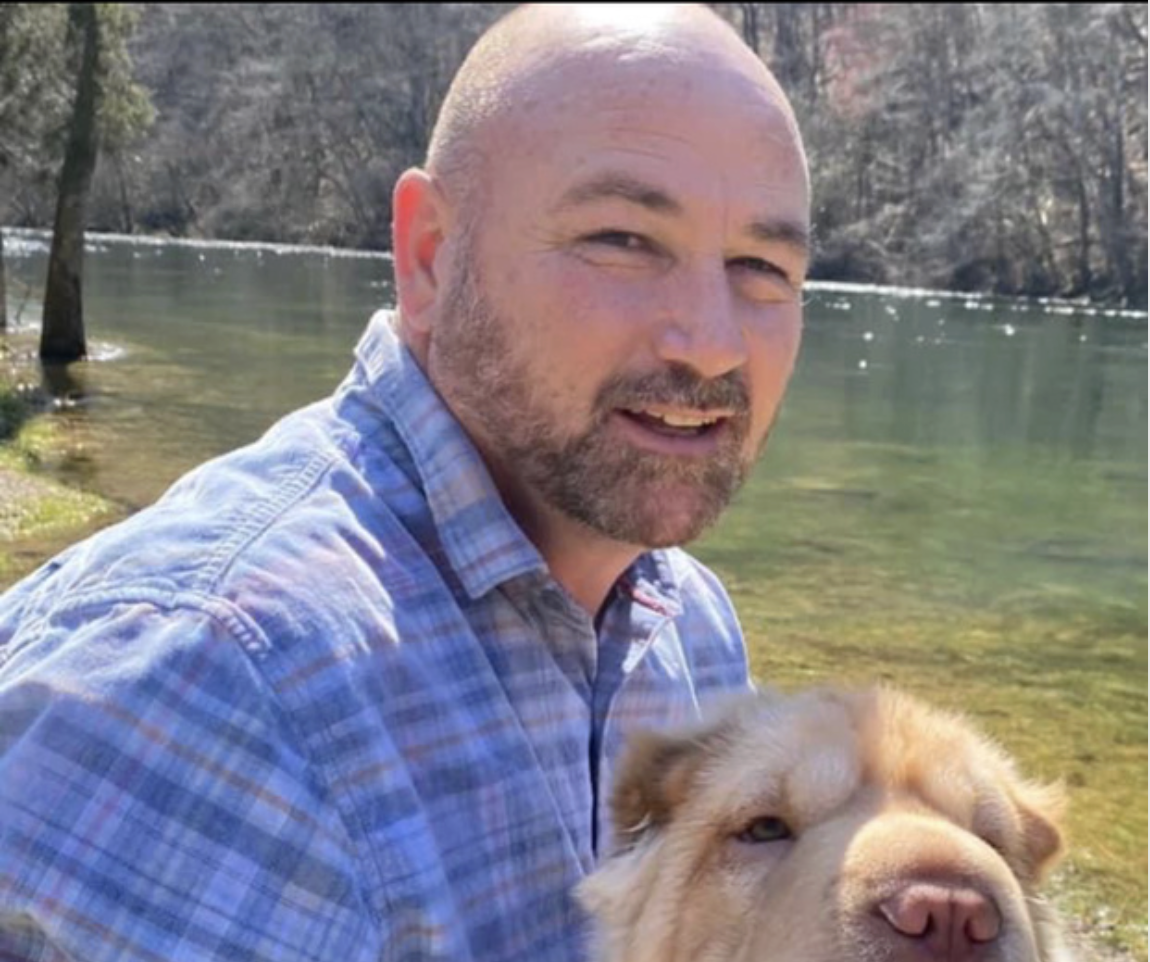
Paul Bunn
Founder, Veterans Outreach Ministries
VA Disability
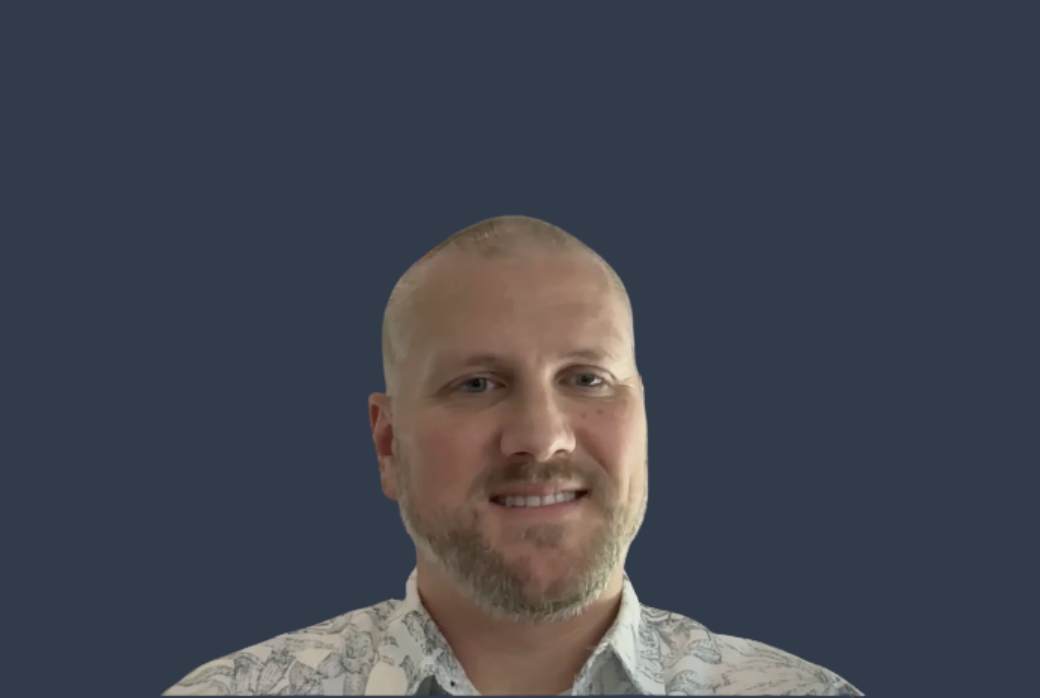
Luke Connally
Co-Founder, Superinsight.ai
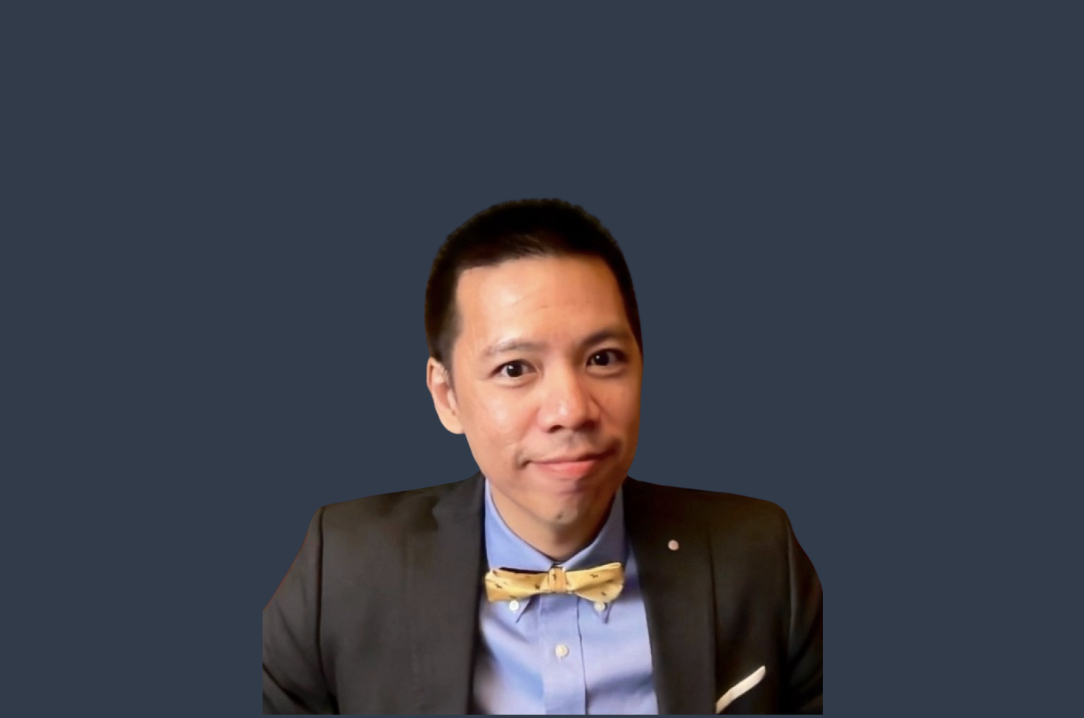
Nelson Chu
Co-Founder, Superinsight.ai
🎧 Listen to the Podcast
Listen on Spotify • 47-minute episode
Episode Overview
From homelessness to pioneering AI-driven veterans advocacy, Paul's story is one of resilience, service, and unshakeable purpose. In this powerful conversation, Paul shares:
Key Topics Covered:
- How his personal battle with the VA turned into a lifelong mission of advocacy
- What it took to master VA law
- Why access to VBMS, legal precision, and AI tools like Superinsight have completely reshaped his process
- How he's using tech to build "snapshots" of veterans' service and medical histories that cut months off the claims process
- Why most advocates resist adopting AI ("One word: laziness")
- His near-death health journey, the role faith plays in his work, and why he believes he's still here
- The exponential growth of his practice: 50–80 new clients every week, all by word-of-mouth
If you care about veterans, tech-enabled justice, or the future of claims work, this is an episode you won't forget.
About Our Guest
Paul Bunn is a retired United States Army Veteran and the dedicated founder of Veterans Outreach Ministries, an organization committed to advocating for veterans and ensuring they receive every legal VA disability compensation benefit they have earned. As a VA Accredited Claims Agent, Paul has successfully secured over $8 billion in lifetime compensation and pension for the veterans he represents, demonstrating his unwavering commitment to serving those who served.
In addition to his advocacy work, Paul is the author of the book VA Disability Compensation Made Easy, providing veterans with clear, accessible guidance to navigate the complexities of VA benefits. He is also the owner of Paul Bunn Company and US Elite Medical Services, a service-disabled, veteran-owned business. Elite Medical Services was founded out of a pressing need to provide veterans with proper healthcare and accurate diagnoses, addressing the unique challenges faced by those whose military service and occupations impact their health.
Paul hosts the Paul Bunn Veterans Outreach Podcast, where he shares valuable insights, resources, and stories to support and empower the veteran community.
Paul is a devoted family man, husband to Rhonda Bunn, and father. Beyond his professional and advocacy roles, he is a passionate Christian evangelist, dedicated to spreading the good news of Jesus Christ, recruiting for heaven, and embodying the principles of loving God and loving others.
Paul's innovative approach to integrating AI technology into his organization's workflow has resulted in significant cost savings of approximately $300,000 annually while actually improving the quality of medical record reviews. By replacing traditional manual review processes with AI-powered solutions like Superinsight, Paul has been able to help more veterans while maintaining the same level of service excellence, allowing him to focus on what matters most: serving those who served our country.
📝 Full Transcript
Luke Connally (00:09)
Hi, welcome to Super Insights podcast where the front lines of legal and medical intersect with technology and the forward thinking people that are involved in that work. So in this episode, we actually are going to sit down with a veterans advocate, a VA accredited advocate named Paul Bond.
He's a veteran turned advocate whose 20-year military career spanned the Gulf War, Panama, and Iraq, and whose own battle for recovery reshaped his life's mission. After sustaining injuries that left him navigating a broken VA system, Paul committed himself to ensuring no other veteran would face the same struggle alone. That commitment led him to found Veterans Outreach Ministries, a nonprofit that has helped over 6,000 veterans secure more than 8 billion, that's what I said, 8 billion in benefits, all without charging a single veteran for their initial claim. He's guided by faith and fortified by firsthand experience. Paul has built a team of awesome accredited experts, doctors, and legal professionals who've dedicated themselves to doing what the system too often fails to do. He's truly serving those who have served. Now Paul is leading a new wave of innovation in veterans law using AI driven tools to help substantiate service connected conditions, streamline the claims process and empower veterans to tell their stories with data and documentation. From rebuilding lives through advocacy to pioneering telehealth and research-backed care, Paul's journey is one of service, resilience, and the belief that technology, when guided by purpose, can restore justice for America's veterans. I'm your host, Luke Connally
Nelson Chu (02:11)
I am Nelson Chu.
Luke Connally (02:12)
And today we have Paul Bunn with us. a fellow brother veteran of mine, And Paul, we just want to start kind of, you have a pretty illustrious background of service. You've been to a few places, done a few things. Over 20 years, Gulf War, Panama, Iraq. Can you just go ahead and give us a background of who you are as a retired soldier and who you are today and give us a little understanding of how you got there?
Paul Bunn (02:43)
Sure. I started out with 10th Mountain Division. So, you know, I wake up pre-annoyed. That's the reason why anybody in the military will understand that. I was infantry for the 20 years. Of course, if you're 10th Mountain Division, you stay deployed all the time. So that's just the nature of the beast. Fast forward, I decided after a number of years, being in the regular army, that I was going to get out and go into the National Guard because they never went anywhere and I thought I'd have a life, right? And then I spent the rest of my life deployed, so much so that I retired regular army in 2007. My last trip to Iraq, I was called up in 2003 when I returned back to the US in 2005.
I was hit by 37 roadside bombs in Iraq. And when I came back, I spent two years in and out of the hospital. I actually was the mayor of my town. I was one of the first elected officials ever called to go to war. My chief of police, two of my librarians, two of my firemen, and nine others were all in the same unit from my town. So the whole town went to to war. But when I got back, had many injuries, illnesses, and diseases directly related to my military service. I ended up homeless with my son, living in a borrowed camper. I owned businesses that went bankrupt. And you would think that that was just one of the most horrible things in the world. But the truth is, God had to allow me to go through that so that I could continue the mission that he had for me. I would have never been doing veterans advocacy work. I'm a contractor, I'm a builder, I'm a politician, you know? But whenever I started going to the VA to try to get my benefits, it was horrible. It was beyond horrible. And I found out that other people were going through exactly the same thing I was. And I said, you know what? I'm not going let this happen. If it's within my power, I'm going to try to make sure everybody gets the benefits that are legally theirs. You'll never hear me say rightfully. Rightfully is up to interpretation. Legally is not. So we look at everything through a legal lens. So in 2007, I founded Veterans Outreach Ministries and that started the journey of where we are at right now. So Veterans Outreach Ministries since 2007 has secured over $8 billion in lifetime compensation and pension for our veterans. So it is me as an accredited claims agent. My wife had, Michelle had a law practice criminal defense for 24 years. I shut it down. She now works for me and that is our team right there.
Luke Connally (05:52)
And that's awesome. That's it. Thank you for your service and thank you for continuing to serve in that capacity. I know, you know, our stories intersect a little bit in that sense. You know, my background was served in the Marine Corps. And so after that, I went to work at the VA, obviously saw both sides of that claims process. and yeah, it's extremely frustrating for a lot of our veterans and it's unfortunately overly complicated a lot of times, which is why advocacy is so important. So where was that moment in time where you kind of said like, I'm never going to let another veteran go through this. What was that? What was that like?
Paul Bunn (06:43)
I spent two years, like I said, in and out of hospitals when I got back before I retired. I was on active duty. I just kept hearing these horror stories. I'm telling you that I've got every presumptive illness, post-traumatic stress, had eight surgeries on my left leg, two on my right. When I went to a county veteran service officer, when they submitted my claim, It was a massive amount of paperwork that just kept coming back wanting me to fill out. It was a nightmare and they came back at 50%. And I was like, this is crazy. The military, you know, this is not the way it's supposed to be. So at that time I got mad and there's a group called National Veterans Legal Services Program. And they are the go-to guys. So all of my training and all of my 32 employees, that's where they get theirs. But when I got that claim back, I knew something was wrong. And I decided, you know, I was going to try to figure that out. And I did. And what I did was I immersed myself in VA law. Just real quick, I was in a little class where there was other people taking it through the National Veterans Legal Services Program. I remember one of the attorneys said something and I raised my hand and said, that's not fair. And that changed my life. And he said, Mr. Bunn, here's the deal. The fair building is in your county. It's got bulls and donkeys and clowns and stuff. And if that's what you want to do, you go play with them. But if you're going to represent veterans, you better learn VA law. And that changed my life. And that's what I did. I memorized and I learned VA law and everything that I do, we look through the legal lens.
Luke Connally (08:37)
Did you ever imagine that advocacy and law would be kind the next mission that you had after retirement?
Paul Bunn (08:45)
No way, no way. I was ready to retire and go have my life. In the Bible, talks about Paul in the Bible saying he was a prisoner to Christ. I think Christ has made me a prisoner to the veterans. But it's because I am one. Every veteran that we represent is me. So I know the complexities of the situation and that it's impossible for them to read VA law when it comes out to them. So we have to have somebody that can lead, guide and direct them.
Luke Connally (09:22)
Did you have any mentors, teammates along the way that helped kind of shape that process for you or did you just have to kind of figure it out?
Paul Bunn (09:28)
Definitely. I actually had a guy named Benjamin Rook. He's a Thailand veteran. I ended up actually winning his case before Burn Pit and all of that came out. I was able to get him service connected for Agent Orange Exposure in Thailand. That was huge. He was with me up until a few years ago. Benji's not in really good health now. But yeah, that was my sidekick right there. But as far as being mentored, there was nobody. I mean, your county veteran service officers weren't even accredited, most of them, by the Department of Veterans Affairs. Your service organizations at the local level, they had service officers, but none of them were accredited and they didn't know. And that's the reason why I did what I did.
Nelson Chu (10:25)
Paul, I've been working with you for over a year now. As someone who's not in this, coming not from the veterans background, I've learned so much from you. And it's very inspiring every time I talk to you. The amount of people that you're helping has been increasing dramatically just the last two years, or at least from what we've seen, it's been increasing so fast, so much. Can you tell us about how do you grow your customer base as a business owner, as someone who's serving the community? How are you getting so much people coming into you and looking for your assistance?
Paul Bunn (11:04)
100 % is word of mouth. We do not advertise. We have Facebook and stuff, but we're not doing that to bring people in. So I'll give you our statistics right now. We thought we could run an algorithm on which we found out was not possible. So right now, I represent over 6,000 veterans. At any given time, I have 12 to 15,000 cases open because you have a veteran, but that veteran may have a claim. If they're with us, they'll have a claim and possibly a higher level review and also a supplemental claim going at the same time. We find every benefit that is legally the veterans and we go and we get it. So what we prepared, what we thought when we first signed on, when we became a team, you know, y'all and us was that we looked at a six month turnaround. So in six months, that claim would be finished. That person tells two people and then we take them on. The problem with that was the algorithm that we're running, it couldn't do it because what we found out, they were telling four and five people. Then the new people were bringing in people before we finished their claim. It was exponential. We have no way of understanding. I will tell you this, that on average we're signing between 50 and 80 new clients every week.
Luke Connally (12:35)
That's crazy. That's crazy. Awesome. Yeah.
Nelson Chu (12:36)
Yeah, that is, yeah. We work with all the firms. You guys definitely have a lot of volume. Now, know, veterans, when they first started, right, they can try to do this themselves or they can go to a VSO. How would you recommend a veteran, you know, rather than they should go to you, they should do it themselves or they should look into somebody else who's, you know, the VSOs? Can you walk us through like why it is kind of better to work with veterans outreach.
Paul Bunn (13:10)
Yeah, because we're the best. I wrote the book. I have a standard of operational procedure that I go by. If you're military, you know what that is. The way that we look at everything is by when. In the military, you have backwards planning. What does when look like? What does me getting the highest percentage that is legally mine look like? We look at that and we work it backwards. And that's how you never miss a step when you do that. So it's really kind of easy the way that we've got it. A veteran signs on with us and when they do, we file an intent to file once we have their power of representation. At the same time, we submit for their medical records, a request for medical records that will go straight to the Department of Veterans Affairs. Then the VA will either capture those records, but we tell our veterans, go get them yourself because we're talking about a time crunch. And, you know, if you can get them to us, it's the best. What sets us apart from everybody is that we have access to what's called a VBMS, the Veterans Benefits Management System. I'm really bold. Y'all know that, so I'm not going to try to be bold on here. But if you don't have access to Veterans Benefits Management System, then stop representing veterans because you do not know the truth. And the reason why that is, the Veterans Benefits Management System is what the people at the VA that are deciding your case, that's what they use. It's not easy to get that access. But I remember Benji Rook, as we talked about earlier, years ago, I said, well, I want access to that. They said it's not possible. And I said, no, it is possible. I've read where it is. And they said, well, it takes a whole lot. I said, well, that's easy. So I told Benji, I said, make it happen. Then it took about six months and he made it happen. So what we do when that person's side zone with us, immediately, if they have filed a claim before, that means that their service treatment record is in VDMS. Okay. At that point, Now we look at the other side. They've never filed a claim before. The service treatment record will not be in VVMS. So what you have to do is trick the system. And I'll tell you how I do that. We automatically put in for hearing loss and tinnitus the day that you sign on with us, because if you've never filed a claim, we've got to get that service treatment record in. So what that does is that lets archives know they need to get that over. So within three to five days, we've got that record. And hearing loss and tinnitus is the biggest thing that is compensated. So then that's where you come in. That's where y'all come in. So we take Super Insight, we take the service treatment records and we throw them over into Super Insight. Here's the great thing about Super Insight, because it can dictate, it can read cursive. Because back out in the field, your infantry, that's what they do. So now we've got that report. We run that report. And here's the great thing about that. It says on this day, at this time, this veteran was treated for this condition. And the definition of that condition is this. That just took a ton of research out where I used to have three people where they would have to research a case. Now there I am. I've got it. So we've got that. Now that we've got that, that report. Now at the same time, we pull VA medical records and the civilian medical records. But we do not run them through the report. And here's the reason why. Because VA law is simple. Injury, illness, or disease. If you had an injury, illness, or disease prior to going into service that while in service was made worse, then possibly you can get compensation. Or if you were treated for it in the military, you can get compensation. Or if you were treated within one year after leaving service, you can get it. So that report then allows us to make an appointment with the veteran, we call the veteran and we go over what we know. And at that time we talk to them, you know, about what they're going through. Here's the deal with veterans. They don't know what's wrong with them. We all think it's because of getting older or something like that. So we have to talk to them to let them know. And I'll give you a, for instance, so if you served in the Gulf War or if you served anywhere in the Middle East, you have a presumptive illness. Presumptive illnesses are everything. So the presumptive illnesses, You may not know that you have irritable bowel syndrome. It's symptomatic. You may not know that you have allergic rhinocitis. So what we do is we're able to question that veteran, find out if they do have it. At that point, we also have contractors that work with us to where if they need a diagnosis, they do a telehealth with those. They pay for that service. And then we're able to take that information, submit a fully developed claim. And that's how the veteran comes out a winner.
Nelson Chu (18:20)
Wow, that's amazing. Now, Paul, talked about, you know, there's something that you use with AI is you're creating a snapshot of the veterans medical and service history, right? How does that help in everything that you guys do in the claim process? And how does that speed up, you know, the amount of time that you have to do with and without AI?
Paul Bunn (18:43)
Okay are you talking about the Superinsight AI or my other AI?
Luke Connally (18:47)
You've built your own. We want to know about what you've created as well. Because you're not just using what's available. You're creating your own at the same time.
Nelson Chu (18:47)
let's talk about. Yeah.
Paul Bunn (18:57)
Yes. So Super Insight of course is, I'm just going to put it out there. When I took on Superinsight it saved me about $300,000 a year. Yes. I fired, I say fired, I replaced three RNs and two nurse practitioners. Yeah. So that's, you know, we're in it to win it. If you're not the lead dog, the view's always the same. Now at the same time, you got other AIs like CHAT, GTP, and all of that. Well, what we do is we take that veteran, we find out everything about their service, specifically what was their job while they were in there, their military occupational specialty. We're able to plug it into our AI and it says, hey, you need to be looking at this because earlier I said injury, illness, or disease treated for a while in the military. You as a Marine, Luke, you're going to understand this. As a Sergeant in the Infantry, if you'd have came to me and said, hey Sergeant Bun, I need to go to sick call. I'd said, well, won't you just get out or go over to the Girl Scouts because I don't need wimps, I need bullet catchers, right? So you never came to me with that. You got a broke leg? Well, that's your problem. Take Motrin, right?
Luke Connally (20:09)
Correct. Yeah. You got more questions when you had to go to sick call than you did when you had never bothered with it.
Paul Bunn (20:14)
But, yeah, so people didn't go. So what we're able to do is go in, find out what their job was, and then we're able to put that into the chat, GTP or the other one. Also with a statement from the veteran about anything that they were, that happened, but they didn't get treated for, right? And that helps us create a statement, a legal statement. So. You cannot substantiate the fact that you had the injury, or disease while you were in the military. But VA law says that a personal statement is 50 % if you were served during wartime, during combat. So that's the big deal. I mean, because you're telling the truth and we're using that to create the story. The VA hates sworn statements. They want a story. And that's what we do. So we're able to take Super Insight, the reports, we're able to take our stuff and work with the veteran to get a snapshot and to produce something. If it's not written, it's not so. That's just the law. So that's how we use it all.
Nelson Chu (21:26)
Yeah, Paul, it's amazing how you kind of adopt technology so fast. We talked to advocates who are still refusing to even try using AI to do anything on the work that they do. Why do you think that's the case?
Paul Bunn (21:44)
Okay. Okay. I'll answer this in a non-infantry way. Okay. Lazy. They're lazy. So there's no reason whatsoever somebody can give me not to use technology. If you can't use it or if you refuse to use it, get out of the business because the truth of the matter is this. If you're going to represent veterans, you better give them 100 % everything that they need to be able to accomplish the task. So I When it comes to service officers, think the problem there is that they don't have the money. The government's not giving them the resources that they need. It's almost to a point where if you work for the government or a service organization within the government or something, you don't want any more business coming in. I understand that because they can't handle what they've got. Then if somebody finds out that you're really good at what you do, I don't know if you ever watched the movie Ghost, where Whoopi Goldberg could talk to the dead and they showed up in that long line. That's what's going to happen. And that's what happened with us. know, so it's to me, it's laziness or not having the proper resources. That would be money, but excuses. I don't need them.
Nelson Chu (23:01)
Now with everything AI can do for you today, what do you think are some of the things that you guys still have a lot of human involved that is never going to be replaced by AI?
Paul Bunn (23:12)
Well, number one, anything that AI produces, we still have to go through because AI only knows what it knows. So human eyes still have to go over it.
Paul Bunn (23:25)
Now, if I had a dream that I could do, that I could have, it would be for the Department of Veterans Affairs to create an electronic system. They have one now, but they're phasing it out. It's called Stakeholder Enterprise Portal. Believe it or not, guys, they're doing away with it. You're not going to have that access anymore. I have to purchase a separate program called VetPro and bring it in. And then I have to use that to file my claims when it would be better if the VA had the proper system. But you can sit and wish all day long. Your job is to just make things happen. And that's what we do.
Luke Connally (24:10)
Yeah. And you're making things happen, obviously. and you know, I'll just put a plug in Paul's even, helping my dad with his claim, CUE that goes back to like 1995. So, so yeah, we got an upcoming appeal there. you know, faith is a big part of what you do, Paul. It's so respectable and, and it's great to hear somebody who has strong convictions, how has that guided you in the way that you operate outreach ministries, Veterans Outreach?
Paul Bunn (24:43)
Well, there's no doubt that I would not be here. I would say there's no reason for me to be here without this mission. So many times, you know, I should have died. These injuries and these illnesses and diseases that I've got, they kill us. I'm burying my Iraq and Afghanistan veterans at a quicker rate than I am my Vietnam veterans now. These presumptive illnesses that we have, and I'll just give you one for instance. As we know, pancreatic cancer is a death sentence. You're not going to live. You're going to die. And it's a presumptive illness. So that means that you're 70 % more likely to get these illnesses than the regular public. Okay. So when I came back from Iraq, I should have died. And so we'll just fast forward to last November. And I don't even know if y'all know this. But last November, the VA sent me home to die. And I had to, have cirrhosis of the liver and it is not from drinking. It is from medication and things like that. So I have very high triglycerides, sir. I did all my life. So the hardness of my liver got to a 28 and I'm not a candidate for a transplant. And they just said, get your affairs in order. So. Through faith, I met somebody and I went to Dallas. While I was in Dallas, Dr. Amy is a herbalist, you know, and she did test on me and my lead levels was out of this world and so was, you know, other different stuff like mercury. She said, I can't help you, but I know somebody that might be able to. So I had to spend $90,000. I had to remortgage my home. I went to Mexico and I got there and it was rough. I went through two months of removing parasites, more than you could ever imagine. But guess what? I don't have cirrhosis of the liver anymore. So the VA doctor, when I came back, they ran another test and my hardness had went from a 28 to a 2.
Luke Connally (26:52)
That's awesome. that's awesome, man.
Paul Bunn (27:03)
So that's how my God works. So faith is everything. You know, there's not a lot, I can't heal you. I cannot do that. You know, and the Bible says bring people to the saving knowledge of Jesus Christ. And I'm going to tell you, when you're calling somebody and saying, hey, check it out, man, you know, you're going to get 500 extra a month for the rest of your life tax free. That changes people's lives. But where other people are getting people three or 500 a month. I'm getting them $4,000 a month. And it's because we know what we are doing. Secondary medical conditions are everything when it comes to VA claims, but I'm blessed to have the staff. Now, I'm the knowledge guy, but I've got my staff is hard core. I mean, they really are. They're dedicated.
Luke Connally (27:55)
They are, they're good. can attest to it. They, they text me every other day asking questions, but you know, always good. It's good stuff and, they are, they're good.
Paul Bunn (28:00)
Ha ha!
Luke Connally (28:07)
Certainly, I know you can't do and function at the level you're functioning without that kind of support.
Paul Bunn (28:16)
Well, we came in this morning and this is a perfect example. As you know, two days ago, AWS went down. Microsoft went down, all that stuff. Well, guess what? This morning, VBMS was down. if VBMS is dead, yeah, so I'm dead in the water, right? So, and right now they're, they just texted me, told me that it's intermittent coming back out. I don't need intermittent. I need it going. So it is what it is.
Luke Connally (28:45)
Yeah. We need it up. We need it up. Every veteran needs it needs that to be up. That's it's the lifeblood of the claims process for sure. Could you go ahead and share if you're able to? mean, everyone's got a great story that kind of reminds them of why they do what they do. That's attached to, you know, outside of ourselves, kind of somebody that that you impacted in a way that just continues to remind you of of why you get up every day. Are you able to share a story like that with us? I'm sure you got a few.
Paul Bunn (29:19)
gosh, yeah. There's so many of them. I'll give you for instance, Terry Hatcher, and he allows me to talk about his stuff. So Terry and I went to church together and I found out he was a Vietnam veteran. Of course, you can't tell who's a veteran because we're all fat, know, and lost our hair. We don't look like veterans anymore, right? So his daughter actually came to me and said, Hey, Paul, You know, dad's a, and he doesn't have any medical or anything, insurance or stuff. And I was like, what in the world? He knows who I am. So I went and said, I need to sign you up to get into the VA system. said, well, I'm not sick right now. I'll wait. I said, no, you're going to die. You know, you're a Vietnam veteran. You got these presumptive illnesses. They're hiding in you. You get over and let me get you. So I got him signed up. His very first appointment that he went to, you know how the doctors are looking in your ears and looking in your eyes. They found out he had cancer in his eye. He would be dead if veterans outreach would not have talked him into doing it. Well, he just, and this was like eight years ago, a couple of weeks ago, he just received his a hundred percent permanent in total. You know, you're talking about a guy that owned his social security. He was making $900 a month. So he's about to move into a retirement village. Okay. Then there's one that is really personal to me. My father was a World War II veteran. He was a waste gunner on a B-17 flying fortress. And, he always used the VA was just loved the VA because of the medical and stuff. In, 2015, he went to the Little Rock, VA. He was inpatient. he's having some stomach issues. they, his knees were have always been messed up because when you'd shoot that 50 cal, it bumped against the plane. You know how it is. And they took him and they said, we need to an MRI on your knee. And they took him down and they did that. And they put him in the MRI machine and they did not remove the telepathy leads that were metal on him. And it burnt third degree holes through both sides of his torso. He was 93 years old guys. He would have lived to be a hundred. Six months later, I buried him. I did it. There's a video where I interviewed him about it. He said he thought that he had died and gone to hell and was burning. That's the reason why I do what I do. My dad told me, said, son, you know, know you want to do other things, but you've got to do this. So yeah, that's it. Other stories is you got a lot of veterans that have been put out of the military on bad conduct discharges. We all have hurts, hang ups and habits. And I'm going to say we probably do about a hundred of those a month. And people come to us and they're so ashamed and we're able to go in and change that. And that is massive. And we have our own system of how we do that. So can you imagine what that does for them? Because we're able to get them compensation. And just real quick, the reason why we're able to do that is because they did have honorable service at a certain point, it became not honorable. So the legal lens that you use is, don't care about when the thing happened that got them in trouble, but before that it was honorable. So I have a way of making the VA look at the honorable service. And if the injuries, illnesses, or diseases was in between that, then through the legal part of our department, we're able to go in there and get them.
Luke Connally (32:53)
and That's awesome. You know, Paul, you often talk about tough love and, you know, I respect that about you. just, you know accountability is important and, but you use the phrase pay to play a lot. Can you kind of help us understand the context of that in the mission?
Paul Bunn (33:36)
Mm-hmm. yeah. Money does not embarrass me guys. Okay. So this notion that people have out there about give everything to a veteran, get that out of your mind. That's the reason why veterans have been in the shape they've been in all these years. Now I will say this, if the VA did everything correctly, then you would not have to, we wouldn't have these problems, but you can sit there and talk for 50 minutes and not say anything, right? So get off your butt and get something done. So the way the Veterans Outreach Ministries works is this. And it's the reason why we are able to do what we do. We're not service officers, we're attorneys and agents. And as you know, we're accredited VA claims agents. So it is against the law to charge a veteran to file a claim if you are accredited. Now, Joe can go out there and do it and get paid. But that's not my fight. accredited claims agents and accredited attorneys, the deal is, you know, they can't spend their money on doing claims for people. So I created a system and my system is the veteran donates back to keep us going. I'm going to get you $120,000 in back pay and you're going to donate 20 % over to veterans outreach ministries and we're going to keep helping every veteran out there. Now you're not signing a contract with us, but you don't want to be a buddy screw and you want your friends and everybody to get it. So, you know, that's, that's, that's how we do it. If it comes to a, an appeal. And when I say an appeal, I'm not talking about to the court of appeals and stuff like that. We can get stuff done before that. They're going to sign a 20 % fee arrangement. So if I get you 600,000, you're going to write me a check for 120,000. I don't let the VA pay me when it comes to my pills. I want my veteran to, because I want them to have some skin in the game. Now here's the other part of that. She heard me talk about Nexus letters and also telehealths. The veteran is going to have to pay for that, but let me get this right. So let's say you spend $2,000 and you get the proper Nexus letters and telehealths, and then it gets you $1,000 a month the rest of your life tax free. I think that's a pretty good investment. So we live by a rule. It's not about the ones that don't, it's about the ones that do. Go sell a gun, go have a yard sale, do whatever you got because nobody's going to do it. Nobody's going to pay it. The government's not going to handle it. So let's just get off of that and let's get out there and make it happen. Remind me to talk to y'all before we get off here about my medical practice.
Luke Connally (36:36)
Actually, that's what I want to ask you, but you mentioned telehealth and I know that you're kind of looking forward, there's going to be some stuff that you're rolling out that could help in that area. Why don't you just go ahead and kind of let us in on the, behind the veil of what that looks like the next five, 10 years.
Paul Bunn (36:59)
Yeah. So, also am a defense contractor. Okay. So I own a company, it's the Paul Bunn Company. And so, you know, we do MVC cleaning, stuff like that. But so the, I always have dreams, right? Cause I'm thinking what, what can I do to make it a perfect situation for us veterans? Because when you go to the VA, they love to treat you, but not diagnose you. And if you don't have a diagnosis, guess what? You're not going to get compensated. Yet not happening. So I could sit there and drop about that, but it's not going to do any good, right? So welcome to US Elite Medical Services. There's a medical practice that I have opened. I've got with a group of doctors in Florida and What they do is testosterone replacement therapy. They do PRP where they spend your own blood. so there's a number of things like that weight loss and other stuff. So I met with them a month ago and I told them, this is my dream and the dream has come true. So now veterans can go to US elite medical services. They pay, okay. You can have a subscription for $150 a month where we will follow you and we will be your primary care. We look at you as an individual. We look at the fact that you served in the army and you were a policeman, military police. Because of that, you had certain exposures to lead and stuff like that. We also had certain training. So our AI goes in and says, this is the possibility of what this veteran and we follow them. And because of that, everything that we do is medical paperwork. We are their provider. Okay. So when the VA wants a medical documentation, it's there. We've got it taken care of. Now. at the same time, telehealth. The things that can be diagnosed over a telehealth, that's what happens. So for instance, for three conditions. So if you've got three conditions that you're needing to get diagnosed, number one, we don't lie. It is what it is. You either got it or you don't. If you got a lie, if you got a cheat to win, you're still a loser. We can win it without that. So I'm probably wrong on the pricing. But I think for three conditions is $1,000. I think for, no, I'm actually wrong. It's $500. And then for a six, it's a thousand. For a 10 or more, it goes up to 1,500. How cool is that? And our telehealths include the Nexus Letter.
Luke Connally (40:07)
Yeah, that's pretty cool.
Nelson Chu (40:12)
Mm.
Luke Connally (40:13)
Very nice, very nice.
Paul Bunn (40:14)
Yeah. Yeah. We don't accept the insurance. Again, it's not about the ones that don't, it's about the ones that do. So as you know, Erica, that's with me, one of my nurse practitioners. So we're in the process right now of getting people, certain nurse practitioners licensed in the proper States and things like that. we, Veterans Outreach Ministries Incorporated, which is an online church that we have in Florida, there's one There's 1.5 million veterans in Florida. I met with their state legislature day before yesterday. And can you imagine when Veterans Outreach Ministries steps into that area and what we're going to be able to do? And I'm going to say this just, and you'll probably have to think about it later. So Veterans Outreach Ministries has produced an economy, okay, that is equal to a company that employs over 5,000 employees. Wow, Paul, how is that? Well, it's because I've secured over $8 billion in lifetime compensation to pension. So the money that goes out to our veterans every month at a $30 an hour, 40 hour pay week, the amount of money that is produced into our economy, because every dollar that is spent, $2 to $5 is created. So the actual federal government that gives that $1 to that veteran gets a hundred percent return. that people don't, it's crazy. So they get that federal dollar back, but then think about state and local and county, what that's doing. And then it's also creating a job market for all these, somebody's got to drive the truck. Somebody's got to do this. How amazing is that? So your veterans, getting compensated actually pays the government back 100 % return and then creates local jobs and tax revenue in your own communities.
Luke Connally (42:22)
Yeah, I don't think anybody ever thinks about it in the impact sort of way. That's a really cool way to map out the actual impact. Paul, we're getting close to the end here, so I want to ask you kind of some reflective type questions. What advice or lessons, based on your journey, would you want to leave with other advocates and veterans.
Paul Bunn (42:56)
quit putting in claims for conditions that are not directly related to your military service. Quit doing it. It's clogging up the system. It's causing problems, you know. But then you have to go back and say, well, wait a minute. How do we know that they're not related to military service? Well, that's the reason your advocates need to use Superinsight and they need to put that record into there and let it tell them the injuries, illnesses, and diseases. They need to become experts in VA law, not the hour or five-hour training you get a year. If you're going to represent veterans, do it the right way. So get with an advocate that uses the tools at their disposal to help you get everything that is legally yours. For the individual veteran out there that thinks that they can do this on their own, there's plenty out there that are smart enough to be able to do that. If you come to Veterans Outreach Ministries and you sign on with us, but you do not want to use our services as far as us filing the claim, we can run the reports for you. I will charge you for that. And then I can give that information over to you and you can go do your own thing. But use the technology that we have today Also that what I just what I didn't do I didn't tell you about our coaching So that veteran once that claim is filed then if you go to my youtube and y'all need to check the new ones out The way we've got it you are coached before you ever go to a compensation exam You're going to know what that doctor is going to ask you and you're going to know the answers that you're going to give them. Now I have people say, you're, you know, that's cheating. You're telling people, no, there's nothing cheating when it comes to getting what is legally yours. Okay. And my veterans are not medical experts. So we educate them. I even will write up a statement and they go in and they say, Hey, this is what's wrong with me because you'll forget and stuff. Right. So all of that is very important.
Luke Connally (45:07)
Yeah, yeah, it really is. And it's, it's intimidating process. It really is. If you've been to a VA exam, you feel like you're, definitely sitting down and you're, being interviewed for your very life.
Paul Bunn (45:11)
Yes. Well, let me give you this right here. So yesterday, so this is, you're in October, fiscal year, right? When I speak, I speak the truth, okay? And from experience, October is when the VA dumps all the claims, okay? So yesterday it really hit hard. So I'm talking about claims being totally denied, okay? So the VA also has their own AI that they use. It is flawed. So that's a problem that there is out there. That's the reason why you need to get with an advocate. Even if the fact is that your claim gets turned down, you've got to know what to do to go forward. 70 % of all claims are decided incorrectly and only 7 % are ever appealed. That is not good. We have to change that. So it's easy. Just call. 1-888-330-1942. Sign the power of representation. We'll give you some crayons. Go over in the corner and color or eat them, whatever you want to. That's right. We just tell everybody, sit down, look pretty, get out of our way. This is not a process that's going to happen overnight. If you just want to file a claim, go to your service officer. They'll put it down on a piece of paper and they'll shove it in there and stuff. We do medical research, development, and law research. It may take a little bit of time. But it's going to work out.
Luke Connally (46:30)
Hey, don't get them to a Marine, we might eat them.
Luke Connally (46:53)
Awesome. Well, we thank you so much for your time today, Paul. We always enjoy talking to you. You're full of life and lessons and you really makes for great conversation. So thank you and thank you for all that you're doing for our nation's veterans.
Paul Bunn (47:12)
I do want to say this, any advocate that is out there that wants help, I will give all of my knowledge to them for free. We got to take care of our veterans.
Luke Connally (47:22)
That's awesome. Yeah, agreed.