In this episode of Beyond the Case Files, Luke Connally and Nelson Chu sit down with Dawud "D.K." Shillingford, a veteran, advocate, and the Founder of Shillingford Consulting Group, whose career has been defined by service to his country and now to the veterans who come after him.
After 24 years in the Air Force and leadership roles at Deloitte and the SEC, D.K. found a new calling: helping veterans cut through the red tape of a system that too often overlooks them. What began as nights combing through thousands of pages in Excel, tracking every condition, injury, and piece of evidence, became a mission fueled by empathy and purpose. For D.K., technology isn't about replacing the human touch. It's about amplifying it.
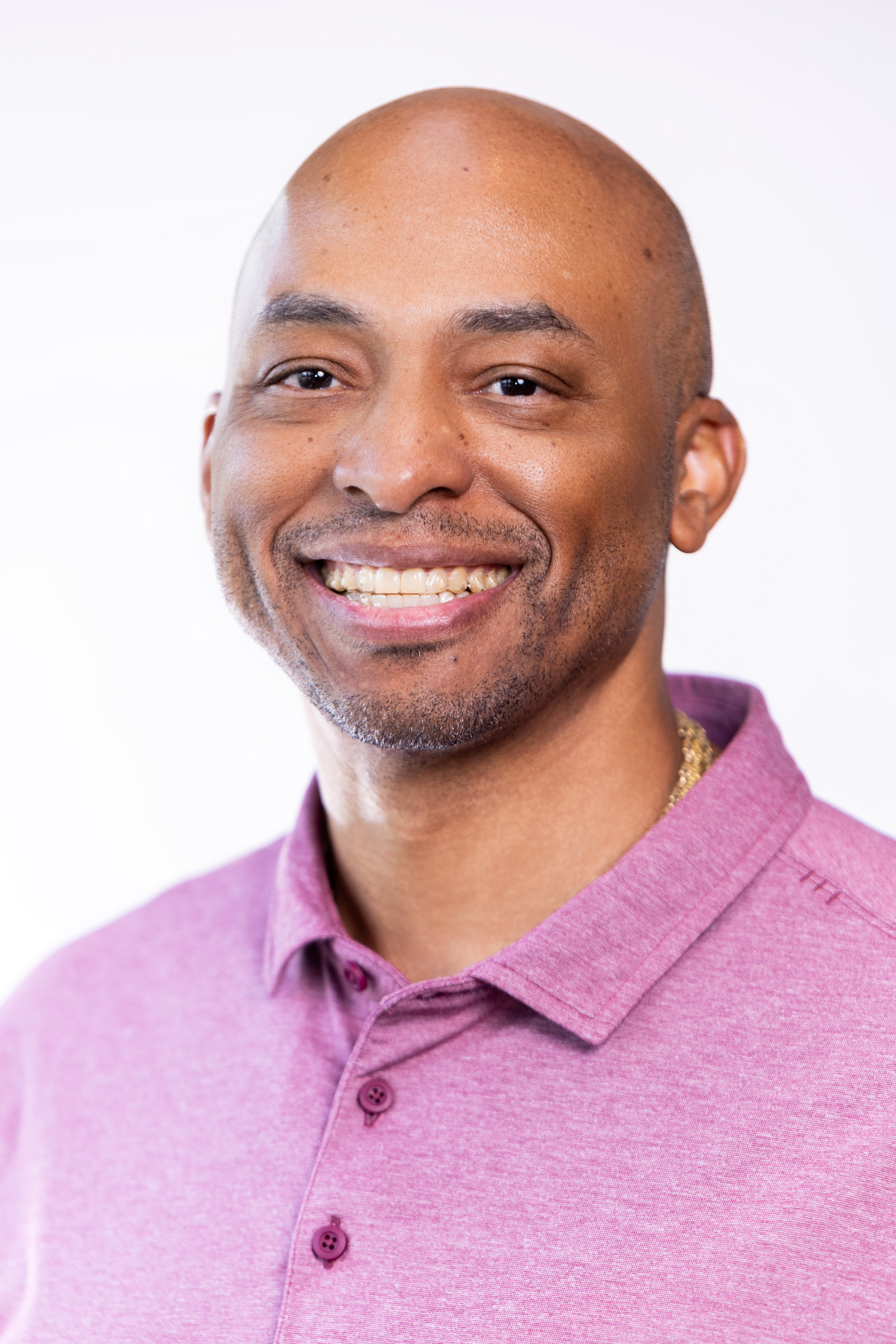
Dawud "D.K." Shillingford
Founder, Shillingford Consulting Group
VA Disability
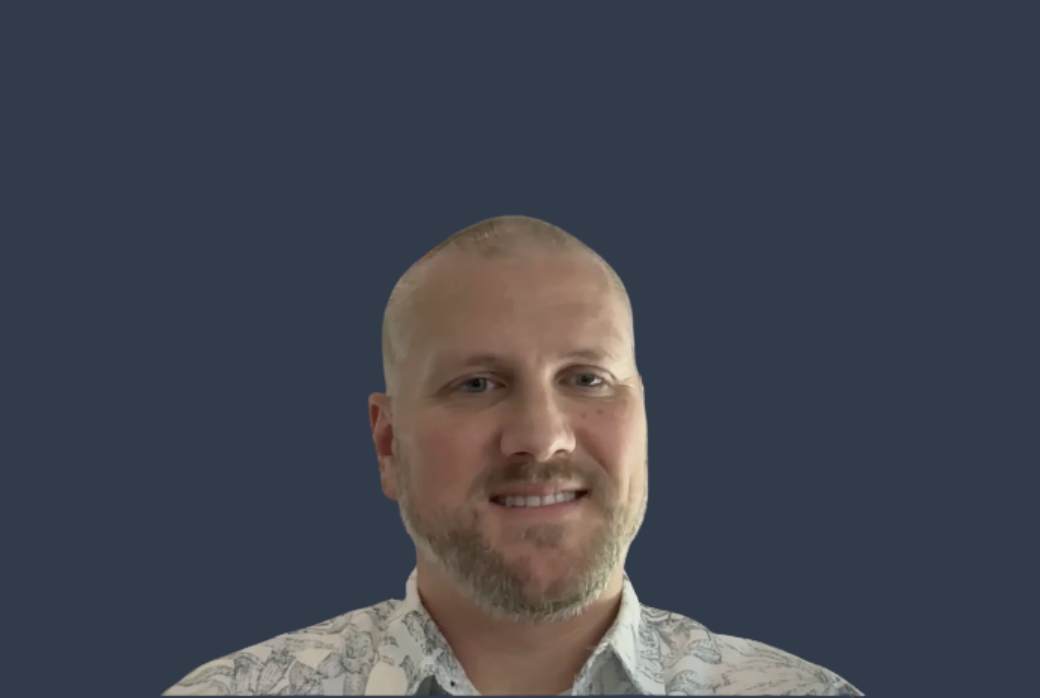
Luke Connally
Co-Founder, Superinsight.ai
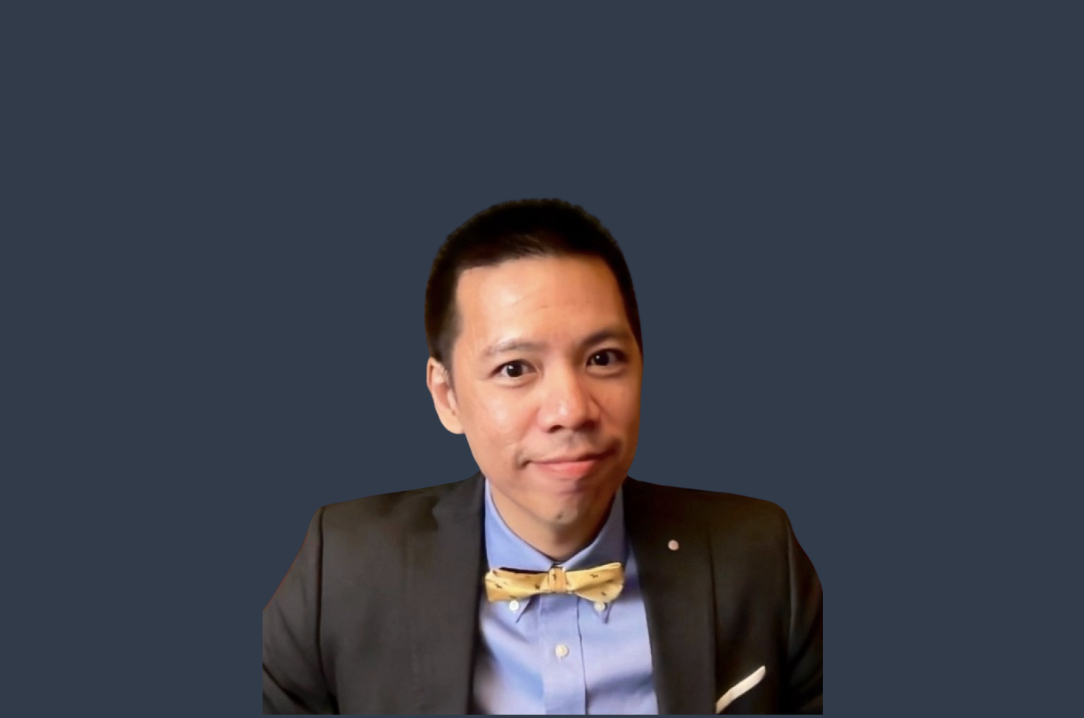
Nelson Chu
Co-Founder, Superinsight.ai
🎧 Listen to the Podcast
Listen on Spotify • 55-minute episode
Episode Overview
From 24 years in the Air Force to founding Shillingford Consulting Group, D.K.'s story is one of dedication, innovation, and unwavering commitment to serving fellow veterans. His journey is a powerful reminder that compassion and innovation can move together, and when guided by empathy, even the most complex systems can be rebuilt to truly serve those in need.
Key Topics Covered:
- His transition from 24 years of Air Force service to veteran advocacy
- How Air Force core values (integrity first, service before self) shape his approach
- The challenges of shifting veteran mindset from "suck it up" to proper documentation
- Building and scaling a team while maintaining work-life balance
- The "trust but verify" approach to adopting AI tools
- Why understanding manual processes is essential before leveraging AI
- The unique challenges facing female veterans and Vietnam-era veterans
- His personal experience with therapy and why he advocates for mental health treatment
- The importance of mentorship and learning from those who came before
If you're passionate about veteran advocacy, legal technology, or the intersection of service and innovation, this episode offers invaluable insights from someone who's living at that intersection every day.
About Our Guest
Dawud "D.K." Shillingford is the Founder of Shillingford Consulting Group, an organization dedicated to helping veterans navigate the VA disability claims process and secure the benefits they've rightfully earned through their service.
D.K. served 24 years in the United States Air Force, 12 years enlisted and 12 years as an officer in the contracting career field. A military brat whose father served 30 years in the Army, D.K. joined the military at 17 and retired at 43. His service included two deployments to Iraq, where he experienced daily bombings and the realities of combat that would later inform his empathy-driven approach to veteran advocacy.
After leaving the military, D.K. held leadership roles at Deloitte and the SEC before founding his consulting practice. What started as helping friends and fellow veterans navigate the VA system, often fielding calls at midnight, evolved into a full-time mission. His wife's observation that "your phone needs to leave the bedroom" became a turning point that led to formalizing his advocacy work.
D.K.'s approach is built on the Air Force's core values: integrity first, service before self. He views each client not as revenue, but as an individual he can help. His unique background combining military service, contracting expertise, and corporate consulting gives him a distinctive lens for solving complex VA claims challenges.
A self-proclaimed "jump out of the plane and find the parachute before I hit the ground" type, D.K. has embraced AI tools like Superinsight to transform what were once manual, Excel-based processes into automated workflows. He practices "trust but verify," running completed cases through new tools to validate results before full adoption. His goal: to use technology as a "force multiplier" that allows his team to serve more veterans with greater accuracy.
📝 Full Transcript
Nelson Chu (00:07)
Welcome back to Super Insight Podcast. I am Nelson Chu and with me is my cohost, Luke Connolly. In this podcast, we explore how technology, data, and human empathy are transforming the legal world. Every episode, we break down the tools, the ideas, pushing this field forward. And today, AI is spinning up record review, doing smarter workflows for attorneys and advocates. And this innovation is helping real people to get the outcomes they deserve.
In this episode, we sit down with DK Shillingford, a veteran, an advocate, and the founder of Shillingford Consulting Group, whose career has been defined by service to his country and now to the veterans who come after him. After 24 years in the Air Force and leadership roles in Deloitte and SEC, DK found a new calling: helping veterans cut through the red tape of a system that too often overlooks them.
What began as nights combining thousands of pages in Excel, tracking every condition, injury, and piece of evidence became a mission fueled by empathy and purpose. DK knew that behind every file there was a story. As his practice grew, he turned to AI to speed up the process using tools like Super Insight to bring stories much faster to resolve with greater accuracy and transforming what used to take days before. For DK, technology is not about replacing the human touch. It's about amplifying it. His journey is a powerful reminder that compassion and innovation can move together. And when guided by empathy, even the most complex systems can be rebuilt to truly serve those in need.
Nelson Chu (01:53)
Hey, DK, how's it going? Glad to have you with us. We've been trying to schedule this with you for so long. You're extremely busy. And we're doing it right before Thanksgiving. So you must be packed with lot of work. So really thankful for you to come along today. Appreciate it.
Dawud "D.K." Shillingford (02:07)
Thank you. You're welcome. It's a pleasure.
Nelson Chu (02:13)
Yeah, okay. Yeah, so we'll get right into it. So, you spent 24 years in the Air Force before founding Shillingford Consulting Group. What inspired the shift from military service to advocacy?
Dawud "D.K." Shillingford (02:16)
I actually came across it. So when I went through after I retired and I was going through my process of getting VA disability, I was helping a lot of veterans, friends, friends of friends in the background. And eventually my wife was like, hey, your phone rings at midnight and you're not getting paid for this. So she's like, that phone needs to leave the bedroom. But, you know, I started realizing that I had a passion for it. I was able to connect the dots. It's interesting, the same regulation that I used in the Air Force for contract professionals, it's very similar. So I'm comfortable with that regulation. And so I, initially when I left the government, I initially started a contract consulting firm and I pivoted to this about a year later. Some would say because things didn't work out like I expected. So yeah, that's how I ended up here. So it wasn't the master plan, but I think it's seldom ever the master plan.
Nelson Chu (03:34)
Yeah, yeah. So now if you look back, the time you spent in the Air Force, right? You spent a long time there, tremendously. What values or lessons you have learned there that has kind of changed the way you work today in your business?
Dawud "D.K." Shillingford (03:50)
I would say, you know, the Air Force's core values, integrity first, service before self, that became, you know, it became part of what I did. It's from the culture I came up in the service. So as I do in the advocacy side, I kind of don't look at it as a new client as revenue. I look at it as, you know, can I help this individual? And, oh, by the way, I get paid to help them. And so I think the attention to detail, developing processes. So I had a lot of processes over the years that I built in Word documents and now I'm transitioning those to automated processes. So that was all from my military service. I joined the military at 17, retired at 43. So that's all I know. And my dad did 30 years in the army. So I'm a military brat who did the 20 plus years in the service. So it comes natural, I kind of run it like I ran my military organizations in the service and it's worked well. And so I'm not gonna mess with a process that works well.
Nelson Chu (05:02)
Yeah, I gotta say, like just forgot to say, but we appreciate, thank you for your service, DK. Yeah, yeah. So, you know, there's a lot of work, tons of work in the advocacy, right? You've been working 10, 12, 16 hours a day. How is it gonna, you all the work that's gonna bury with you, like, how are you gonna continue, how are you continuing to do all that work today? You know, is it taking away from your personal life? And, you know, how are you transitioning all that between work and family?
Dawud "D.K." Shillingford (05:34)
Well, so I'm trying to develop processes. So like you say, in the beginning, I worked crazy hours and while COVID was bad for some, it was great for me because I established myself during COVID. And so now I'm trying to start building a retirement plan. What's the next six years gonna look like, 10 years gonna look like for me? And how can I, I'm a self-proclaimed workaholic. So how do I transition that and build a team around me that can take this further than I do? You know, I often, one of things I worry about is if something happens to me, what happens to my team? What happens to the veterans that I'm representing? You know, developing a succession plan for the business to make sure if something happens to me, the business continues.
And I've started things like I'll take once a quarter, I take a seven day sabbatical where I'm no computer, no cell phones to see what breaks when I'm gone. And my goal is to eventually get to a point where I take a 30 day sabbatical. It allows me to refresh because every day cases are playing in my mind. And so that's hopefully going to allow me to refresh and come back stronger. But yes, it is something I think about. I continue to develop processes so that, you know, I'm replaceable and things will go on without me, but it's not there yet. I'm building it. Yeah, that's the ultimate goal.
Nelson Chu (07:14)
Yeah, I remember like, you know, a year or two years ago when we first started working with you, like all the communications between, you know, yourself and us, right? Now we can like double digit amount of people in your team is contacting us all the time. Like the amount of cases and people that have grown is like tremendously. Yeah.
Dawud "D.K." Shillingford (07:31)
Yes. Yeah. All word of mouth. Our internal policy or internal thing is we take care of the current clients and they take care of our future clients. So I tell folks, you know, don't focus on money. Focus on can we help this veteran? And if not, what information can we leave them with so that they're in a better situation? A lot of veterans just don't understand the basics.
I'll use an example. I spoke to a potential client yesterday. He filed for 16 conditions. So he says, hey, I need you to file an appeal for me. So I says, first of all, have you looked at your military medical records? Nope. I say, number two, were you ever treated for any of these conditions in the service? He says, I don't know. And then three, are you currently being treated for all of these conditions? He said, no. I says, you may have, I may have an appeal, but you have to go to the doctor and get treated. You claim you have these joint pains and stuff like that. You have to do your part.
So I kind of look at it as a partnership. My team and I know how to connect the dots at the VA, but our partner is the veteran and the veteran has to be willing to go to the doctor and complain about their ailments, which kind of contradicts the culture they came up in. The military comes from a culture of suck it up, deal with it, build a bridge and push through. And now I'm asking you to complain. A lot of veterans have an issue with that, especially my older, my Vietnam era veterans. That's not what they do well. You know, they just deal with it and suck it up. So it's trying to change a paradigm shift, trying to shift that thought process with the veterans so they understand, hey, this is all about documentation. Can we document and connect the dot for the VA?
Luke Connally (09:42)
Sure. Yeah, so I like to, I want to just kind of hit on some of the stuff that you have, your personal growth side of things. You've, as a person who's trying to be that leader for your organization. And I love that you're taking the good things that came out of the military for you and kind of applying those. I mean, that's a great example of good leadership movements there. How has that kind of perseverance shaped how you approach all these challenges that you face today?
Dawud "D.K." Shillingford (10:17)
So again, I rely on what I know. And I try to look at the positive, almost to a fault. I remember as I, the military had us, we always had development training. And so in development training, I noticed that I'm an optimist. So I always built teams. I always had a pessimist on my team because that's my blind spot.
And so during this process, so how I tie it to advocacy, you know, I like, I want positive progress. I do no harm. I don't want to harm a veteran's current rating. And then I kind of look at it as pick up basketball, play with the team I have, the evidence that I have, because if we knew what we knew today, we would have gone to the doctor and get stuff treated in the military, but we don't have a time machine to go back in time. So we can focus on what we have now. We can focus on going to the doctors now. So that's the kind of thought process I go through as I get the veterans ready, as I get my team ready.
As far as being a leader, I think I had the best of both worlds. I did 12 years enlisted, 12 years as an officer in the same career field. So that helped me understand, you know, I was able to put my, sit in someone's shoes, whether it's someone I'm leading or someone that's leading me since I've been on both sides. So I bring that to what I do now. And it's so ingrained in me, I don't even think about it. This is what we did in the military. And so I just continue and I try to improve on those processes.
And that's how we ended up teaming and me using your software because I had a lot of manual processes and this has definitely helped me, my team and our clients to have more robust claims and find details that I probably would have passed over doing it the manual way, cause you know, I've done 6,000 pages of records manually. It's not fun.
Luke Connally (12:36)
Tough and at some point you do get some level of cognitive fatigue when you're looking at that much paperwork for sure.
Dawud "D.K." Shillingford (12:37)
It is. You do, you do. Yeah. And so if I compare then to now, I had a process. I went through records, I gave each page 60 seconds. So if I could not recognize what's on the page, I skipped it because my thought process was if this was a chronic condition, it will show up on another page. And I had an Excel document and for each condition, I wrote it down. Well, now I have software that does it for me. Your software does it for me. And so but since I know how to do it manually, I know how to trust but verify and verify the information. So it allows us to dig deeper and find things and it gives us nuggets that we probably would have missed.
Luke Connally (13:27)
Awesome. I love hearing that man. What about, yeah, that's good. I mean, like you said earlier, our objective in everything we do is to do such an amazing job. And we want to continue to do that. Our mission is to make it so awesome that people are willing to hand cash across the table to use it, right? Like that's the, just like you said, it's that service level mentality, we want to have that level of service that people are just willing to pay you for it. That's the idea.
Dawud "D.K." Shillingford (14:01)
Yeah. And I look, when I look at things, when I was a consultant, I always said that my costs should mean nothing because of my expertise, my 30 years of contracting experience, that cost to that individual as consultant, they would see an exponential growth in their revenue. So I kind of look at it that way, and when I talk to my team, it says, while there's a cost for Super Insight, we're tracking it to see, I believe my hypothesis is that we'll do more cases, more in depth, we'll be able to uncover more clear and unmistakable errors and it pays for itself.
So while there's a cost and the rising cost for the product, we should see that or more on the revenue side. And I'm already seeing it. I've already seen that I've done more CUE claims and things that I'm, you know, probably would have missed doing manually. So yeah, so we're looking at it. That's where I see it going. I have it with my team once a quarter. We kind of do a deeper dive to say, OK, is it what we say? Are we doing more? Are we digging deeper? If it continues that way, like I think it is, we'll continue.
Luke Connally (15:22)
That's awesome. What about, you know, we don't all get here necessarily on our own. Who are the mentors in your life who helped shape that journey?
Dawud "D.K." Shillingford (15:34)
I've been blessed. Over my career, I had superiors, supervisors. So I've had mentors over the years that have been placed. I kind of look at my career as a stone walking path. And the right person, the next supervisor was that next step over life. And only in hindsight now I realize, I think about things.
I have one supervisor challenge me. I was bragging to some of my peers when I was young in the early years. Oh, I just signed up for a college class. And she basically told me, if you want to impress me, take a full load. I didn't know any better. I walked out. She says, if you go take a full load, I'll do your work till noon. You sit in my office, do your homework. So I went back and I went and signed up for four more classes for a full load. So I worked full time. So this is like 2000, 2002 and I pinned on major and I sent her a long note thanking her. She basically told me I didn't think you were gonna do it.
And you did all the hard work, but if she didn't do that, I wouldn't have got picked up with a program to get my commission. So my entire career, I've had positive role models that they saw more in me than I saw in myself. And I think I was smart enough at the time to take that knowledge. Because sometimes, you know, we want to learn new instead of taking the wisdom of the elders. And I've been, I don't want to bump my head if I don't have to. So I tend to, you know, I want to listen to the wisdom of the elders and see how I can apply it to myself so that I'm not starting from ground base.
I have numerous mentors and I let them know anytime I run into them. Every so often I run into folks and I was like, you remember when you did this for me? And he's like, nope. I remember you.
Luke Connally (17:45)
Yeah, we don't often realize those moments where we impact somebody.
Dawud "D.K." Shillingford (17:51)
Yeah, somebody, you don't, know? And I've run into people like that. There's like, you, you know, you did this for me and I was like, I don't remember this. I do remember you. But I think it's the mentality of having a positive outlook on life and on outlook. And I always say, if you have a dream and you're willing to put in the effort, I'm here to support you. The ones I kind of take a side eye to is if you want, but you're not willing to put in the work. I was like, I don't know where that happens. I haven't found it. So, but nine times out of 10, you see someone who has a fire burning in them and they're willing to put in the hard work. I think that's the key right there in whatever we do in life.
Luke Connally (18:40)
Yeah, I think, you know, coachability, you know, those factors, like you can take someone a long way, even if they have no idea what they're doing to start.
Dawud "D.K." Shillingford (18:43)
Yeah, yeah. It can, yeah, yeah. And I've heard all the time, I say, I think that coachability, that drive takes over God given talent because I think sometimes when you have that talent, you rest on that and you don't train or whatever. And so eventually, the group catches up to you and surpasses you if you're not applying and putting in that hard work and that extra effort.
Luke Connally (19:16)
Yeah, agreed. Empathy seems to be a big cornerstone of how you live your life and how you work and how you lead. Have you seen that? How do you bring that same empathy? I mean, obviously we both work. I've worked with veterans. I understand I'm a veteran too. So like veterans can be, we can be challenging.
Dawud "D.K." Shillingford (19:32)
Yeah. Yeah. Yeah. It's. Yeah, we all type A personalities. So I always stop the conversation. We all type A personalities. And so what I, you know, I think it helps. I've been there, done that. You know, I have a couple of deployments under my belt, so I can, I've deployed to Iraq twice. So when especially say we come up with a psychological article, I let them know. I says, it took me years to go seek treatment.
I remember, I think it was my first deployment coming back from Iraq. We were being bombed every day. But, know, so I'm filling out the paperwork to leave. I know if I say that I have any concerns, I go spend another 30, 60 days in Landstuhl, you know, and I'm like, nope, everything is fine. Knowing that now that I know better, I shouldn't have done that.
And so I speak to them about that. I speak to them. I let them know I'm in therapy. I'm still in therapy now. While it's a little different, I use therapy. You know, I'm running a business. I have family, I have kids in college. I have a team and then I have the weight of the veterans. So I use therapy to help me manage that. But I let them know I say I'm in therapy and it helps me put things in perspective. It gives me tools to deal with situations. And then it just allows me to take that bag of rocks and dump it on the therapist's desk. I walk out lighter after therapy session.
So when I get with a veteran that's not willing to go to therapy and go seek treatment, I kind of use my experience. And I have one example. I had a veteran, I think he was in a six person unit, like a strike force. So they would leave the base, they would, incoming, they took that, returned fire. Five of them receive a service connection for PTSD. He had submitted his PTSD claim four times and was denied all four times. So he was very frustrated. But he said, and his first thing to me is why they give it to them and not me. I said, so, well, I don't have their records to compare. But I'm looking at your records and you're self-diagnosing yourself because of what your buddies got service connected for. You haven't gone and sought treatment for your psychological conditions. And he still, that's not fair. And I told him, say, as soon as you ready to go get treatment, then I get the diagnosis, I could file your claim for an appeal. And as soon as he did it, got his sessions and we found he got service connected.
So a lot of them don't understand that, you're asking for something, but there's documentation. And you have to go get treatment as difficult, and I know it as difficult as it is to go get psychological treatment. I think it's the fear of the unknown. Now that I've been through it, like, hey, I'm gonna always have a therapist on my team. Just like I have an accountant, I have a lawyer that supports the business. I have a therapist to help me work through the difficult decisions that we have to make in business. So I think that's how I have the empathy.
Another one is I always tell them, I don't feel your pain. And I don't think you want me to feel your pain. There's a, I'm gonna use the word cold, but it's probably not the right word, but I'm sticking to facts. So I often tell them, I says, I allow your medical documentation to dictate the strategy I developed for you. Would you be comfortable if I get you increase, but I can't get you that one condition that you want? And some of them say, no, I want this. And sometimes we have the pathways there, or I get them increase and then I say, hey, there's no documentation for that right shoulder. I don't recommend you pursue it, but you can.
And so some of them are just so tied to it. You know, the service injured it. I said, well, you already had 100%. There's not 101. But I think that's a psychological attachment. So I say all that to say, you know, I'm kind of detached. I'm looking at facts. I understand your pain, the team and I try to focus on the facts and then just refocus them. Sometimes they take their frustrations out on us. And, you know, we take that to a limit, but, you know, once it stays respectful and we realize that, you know, some folks have been filing claims for years and they just don't understand the process. So we try to educate them also, whether they stay with us or use our service. Here's the process. Here's the bare basics of the process. If you filing claims outside of this, your probability of success is low.
And so that's what we talk about, probability of success. Yes, I can probably, I can file a claim for that right shoulder all day long, but there's no documentation in your records within a year of leaving your records or now. The probability of success is slim. And so that helps.
Luke Connally (24:57)
That's a great point. If we could scratch that itch a little bit more, the VA system especially can be very complicated and discouraging for lot of veterans. I understand that. I've walked through that. I've walked many through that. How do you wish, or what do you wish, more veterans understood about navigating it?
Dawud "D.K." Shillingford (25:13)
I think that just understanding, like with anything in the military, I always say, just like we had regulations in the military, there's a regulation here. And you need to understand the parameters of that regulation. So, you know, I need to be able to show it was either treated on active duty within a year of leaving active duty and that you're currently being treated. If I don't meet those, you know, my probability of success is slim.
So helping them understand, and sometimes it's an aha moment. Like the veteran I spoke to last night or the night before, he had 16 conditions denied. And I says, hey, were you treated in the service? I don't think so. But he worked on the flight line. So that's the normal culture. When I see someone work on the flight line, they were focused on getting those sorties, those missions flown. If they're security forces, if they're pilot, if they're Marine, I don't expect to see much in their medical records. And it is what it is. Now let's build a case. Let's see if we could build a case on whatever is in your military medical records. And then what's bothering you now? Can we pursue some presumptive conditions and connect those dots?
So kind of getting them, you know, back and refocused on, okay, here's what we need to prove. Let's see what the documentation says. We can't affect yesterday, but we can affect tomorrow. And then get them refocused. And then my focus, some folks come to me and like, hey, DK, how can I get to 100? And I say, hey, how about we just focus on getting you an increase, whatever that may be, or just getting you on the board. And I'll get you as high as your medical records support. And so once I get them to refocus on stuff like that, they're like, okay. But I think it's an aha moment.
If I had my wish, I would like to go back and speak to units, to veterans before they leave the service and say, hey guys, you know, if it bothers you, go get treated for it. I'm not saying to go ahead and falsely claim things, but in the military, you know, again, I met a medical board while in the military and my Colonel redlined the, you know, they recommended me for medical retirement. My Colonel redlined it and the statement was, I need his brain, not his back. And I was proud at the time. Unbeknownst to me, that medical retirement, I was already over 20 years, would have changed, you know, could have changed my military retirement and make it tax-free. So, but that proudness of being in the unit, making sure the mission goes on. He didn't know any better.
And so I think that's one, I think there's a disconnect between military service and the VA. I don't think it's intentional. It's just two different organizations. And one is, hey, suck it up, deal with it. And now here, I'm telling you to complain to your doctor. And I think those are some disconnects. But if you could get the information out without being a salesman, but just say, here's the information, guys. If it bothers you, go get treated. Stop.
You know, I remember going to the hospital. This was like 91, 92. We had a squadron flag football game and I went to sick call and when they saw what unit I came from, they said, you're like the six or seven person from the unit. What's going on over there? I said, well, we had a flag football game yesterday that kind of turned into full contact and they gave me a big tub of Motrin and says, take this back to the unit. Tell them, stop coming to sick call. But that's the mentality of the military. They're trying to patch you up to go back to war and think of all those injuries from that football game that didn't make it to their records.
Luke Connally (29:15)
Yeah, exactly. You've worked with veterans from Vietnam, probably even before that, to Iraq and Afghanistan. What are some of the common threads that you're seeing in the stories and the struggles with the more modern wars?
Dawud "D.K." Shillingford (29:31)
Yeah, so there's a couple so across the board type A personalities across the board. They have that mentality of suck it up, deal with it, build a bridge, get over. And then it's just the different eras. I remember I was dealing with a Vietnam era veteran. He, I think he did two tours in Vietnam. He was lighting an outdoor grill, I guess he was a cook, and it blew up in his face. So 50% of his body was burnt.
And so fast forward all these years, he lost one lung. When he came to me, everything had been denied. And so his whole thing was I lost my lung because I've been smoking all these years. I says, well, there's a chance you've been exposed to Agent Orange. So I just have to prove 50%. And so.
And then, you know, I started talking to him about the psychological effects and why hasn't he filed a claim for PTSD? And he's like, okay, PTSD is a new term. You know, my era, there was no such thing as PTSD. And it was like a light went on. So each era, you know, I think things have improved over the years and the VA is implementing things as they see. But that era, PTSD and going to for mental treatment, you know, that didn't happen. And, you know, from my perspective, you know, doing two tours in Iraq, I think I prefer, you know, I don't think I would have survived two tours in Vietnam. It's just, that's a different war. It was a different war, different time.
So just trying to get their mind into stuff and then, you know, those, the Vietnam era veterans and those early era veterans, again, they just, it's a different conversation. Hey, DK, I just want to get what is due to me. You know, and so it's just a different conversation about helping them understand, hey, this was set aside for you. I'm not going to pursue anything that your records don't support. You know, I'm not trying to fraud the VA cause I could lose my accreditation. So once I get that conversation going with them and helping them understand, you know, and if it's not bothering you, don't get treated, then I can't help you for that condition. So no problem. So we'll focus on what you're being treated for and it goes well.
But yeah, there's a common theme. I also see it a lot with my female veterans. Female veterans, they tend not to file as many claims from my perspective, but when they do, they do get rated higher than my male veterans, but they tend to take care of everybody, especially if they serve more time in the service and they have children, they tend to take care of everybody before themselves and they tend to have a threshold for pain.
So I was explaining to one vet and says, when I get a headache and it's a two, I lay down and I'm balled up in a cool dark place. She doesn't recognize it's a headache till it's a seven. She doesn't take medication until it's a 10. And so we get rated differently because she has a higher pain tolerance or stuff like that. So I noticed that with my female vets and just getting them to understand during this process, I need you to express, hey, the military, from my perspective, my female clients tend to, they have something to prove while they were in the service. They suck it up harder. They drive harder.
And then trying, you know, getting them to understand, hey, it's okay to complain. It's not something that's going to be held against you. But those I have to have a longer conversation with. And some of them I've had one veteran, I remember trying to get her to get treated for her psychological conditions. It took me almost three years. So I addressed it. I said, here's what you have a claim for. And she wasn't willing to pursue it. So I pursued all the other conditions and I said, when you're ready, come back to me. And she finally came back after she was ready, but it took her a while. And so in cases like that, I'm not going to push them. I says, hey, I go at your speed and then we'll go from there.
Nelson Chu (34:12)
Yeah, yeah. I want to go back to what you talked about, DK, was trust but verify, right? So can you walk us back to the first time you were squishing between doing everything manually to, like, here's an AI tools. How did you get to the point where you're kind of comfortable of adopting this tool fully before you train somebody else using it?
Dawud "D.K." Shillingford (34:34)
So I'm a jump out the plane and find the parachute before I hit the ground type of guy. So I realized how manual my process was. And so what the first things I did is I had cases already completed. So I would dump that information into the software and compare the two. I was like, I see. The more you do that, the more the software learns and I start seeing a better and better product.
And so when it comes to the trust and verify, I understand, I stick to the regulations. So I always ask it, if I send something that says, hey, please provide me the 38 CFR reference, the M21 reference and any BVA case references, and I go check them myself. So like outside of the software. And so every so often you'll find these ghosts, what I call phantom reports, but I've seen them less and less.
So what I've realized with the software is just, it's helping us do things quicker. It's helping us, we had a very manual process. So one of my things, how can I transition to an automated process so we could do first better and then hopefully more. And so AI has been helping me do that. And again, that verification gives me more confidence in it. So even when it comes to building an argument for a higher level review, BVA, I build it on my own, and then I access software, and then I compare the two. And so more and more I see that it's closer or it's picking up stuff that I didn't pick up and I was like, okay. And when I verify it's legit. So yeah, it's definitely helping us.
I would still say we're in our infancy. I think even we had training with you guys and I realized I think I'm using your software about 10% of its potential.
Dawud "D.K." Shillingford (36:51)
One thing in this training we realized, so I was always downloading the Super Insight report as an Adobe document, but I realized leaving it in the system and reviewing it there, all the links work properly. It's just more fluid. The links work on the other end, but it's just, I can get back to the source document easier. So, you know, after that training, we, you know, I'm sure you saw more people in there because I was like, hey guys, we're not using it. We're probably using it at 1%. We might be at 10% now.
But my whole thing is I want to run every case through there because if we could do a better job quicker, it's going to be worthwhile in the long run. And then being able, as we get new data to add that data and run it in has been helpful, you know. So, yeah, we trust but verify just to get that, you know, I think, you know, the software is a tool. It's a tool that helps us do our job better. It doesn't do our job for us. And that's what I express to my team. I said, this allows us to take in, digest more data. This allows us to look at more options, more potential claims for a client. But it doesn't do the job for us.
So if you don't understand the regulation, if you don't understand the foundational rules of a claim, I don't think the software is as useful. But if you do understand it, it's a force multiplier and allows us to do more with the same amount of people. So yeah, so that's what we've been seeing. We've been using it more and we started to track it. More we're looking to see, you know, just can we, how much more can we do in 2026 to improve and start using the full capacity of the software, you know, but right now I would say we're using it at 10%, which is amazing. But imagine if we could get that, you know, start using it at the 50%, you know, and it's that's provided us like, I can see us uncovering, you know, tons load more of CUEs and just picking up on errors that were made in previous claims and stuff like that.
Nelson Chu (39:18)
Yeah. And DK, you have a very different background than most people who are advocates, right? Either some are from law, some are from veterans, some are from medical, but you were in consulting, right? So in terms of looking from like a consultant type of high level view, when you talk about scaling your operations, your business, doing it the traditional way versus doing with more automations, how would that change the velocity and the ceiling of scaling your practice in two different type of era.
Dawud "D.K." Shillingford (39:56)
So, very interesting question. I believe it's gonna help. Well, I'm seeing the results of it already. So, when I look at it, again, I have a contracting background, so I kind of look at it from that eyes. And I wish I could tell you today that when I joined the military, I knew that I would make it to retirement. I only planned to do four years. And then two, remember, I started a consulting firm and I ended up here that wasn't my plan. So I am not one of those visionaries that say this is where I'm gonna be in ten years.
What I am though is I always, I'm willing to work hard and I want more, I want better and I'm willing to work for it. So with that premise that's how I kind of tackle stuff. And so from that perspective, I think I'm, I noticed that when I go to the NOVA conferences that I do things a little differently. And so I think I use the lens of a veteran, service disabled veteran, I use the lens as a contracted professional and then use the lens as an advocate. And I think those three just give me a nice mix as we go through stuff.
But I just realized I had a very manual process. I wrote notes. This is what I did in the military. I had a written SOP for everything. And now with AI, I've been converting those written SOPs. AI has been helping me do that. And so it identified that, hey, you have a very manual process. If you automate things, it'll be smoother, less things fall in the crack. And so that's where I'm at. Can I create that? And then the results of that are what they are.
So I can't say that, hey, I want to be able to do 5,000 veterans next year. That's not my goal. My goal is to do what we do better and the results, you know, I've been seeing the results of that continuous improvement. And so, you know, yeah, I'm not, I wish I could say that I was a visionary like that and that, but I do, like, I have changed. Like right now I'm starting to look at 2036, where do I want to be in 2036? And this is very new for me. And I asked AI, hey, this is what I do. What would 2036 look like for me? And it spoke about AI first organization, automated processes. So now I'm kind of peeling the onion back and starting to implement stuff like that. So we get in there, we're trying, but it's a continuous improvement. I think if you have that mindset of you can always improve on your process, that's worked well for us.
Nelson Chu (42:54)
Yeah, very cool. That's great answer because even with AI is changing so fast, we don't even know what's going to be three months down the road. So yeah, we just adopt, right? The best we can do is just adopt quickly.
Dawud "D.K." Shillingford (43:05)
Yeah. Yeah. Set some boundaries and adapt and then go from there. And then it goes to, if it doesn't work, at least I like to be in a position where when I'm explaining something, I'm not telling you because someone told me, I like to be able to say, I went through this process myself and be able to use that story to explain it to you. So often, I have to go through it. I always tell folks, says, I can read about it, you can tell me about it, I can research about it, but until I go through, I don't know the rest of the story. And so that's how I'm looking at automating our processes and using AI to support us going forward.
And if at some point we make a decision that it's not for us, OK, we'll pivot and go from there. I don't see it. I don't see it there. I think where it becomes difficult, if you don't have the foundational experience or you don't know how to do the processes manually, it's hard to figure out the prompts to give AI. I think because I understand how to do it manually, I'm able to prompt AI and then learn from the prompts. Or just you prompt it until it gets you the answer and then you say, okay, what should have been my prompt in the beginning and then document that and save it. So those are things that I've been learning.
Nelson Chu (44:51)
Very good. Hey, Luke, I think that's all my questions for now. You got anything else for DK?
Luke Connally (44:51)
Yeah, I just want to ask last two questions, just help wrap it up. But, there's always two things we like to kind of end with and that is the human impact side of it, right? Every, all of the technology in the world, all the service in the world, it means nothing if we can't see the impact, the human impact where it's actually making a noise in the world in good ways, hopefully. So do you have any stories that kind of help remind you on a daily basis of the mission that you have and why it's important?
Dawud "D.K." Shillingford (45:37)
I would say I have several stories. A couple of them, I remember there was a veteran, had been a Marine, had been fighting her claim for years. And we regrouped and I always tell her, says, clean slate, I'm treating it like it's a new client. I don't want to see any of the old stuff. And we fought for about two years and finally got her increased and got I think I got her to a hundred percent and she did not hang the phone up so I could hear her sobbing. She drove, I could hear that she fell to her knees.
And I seem to get a story, I seem to get a feedback as soon as I feel like the weight of the world or I have a veteran that says I'm not moving quick enough or they're frustrated with the VA, I get a call from a veteran that says hey, you guys changed our life. You guys walked us through the process and it's almost like perfect timing. So as soon as I'm like, man, this is over, this is becoming a little overwhelming, I get a story like that.
I have another one is a father and a son got both of them increased. The father calls me at least once a quarter and I've gotten him increased years ago. And he's like, you've changed my life and I just want to let you know. And he'll tell me he went on this trip or he did this or he paid for his grandchild to go to college and I just, he doesn't realize, I always tell him, say, I appreciate calls like this. Cause most folks are calling me to tell me, we got denied again and stuff like that.
But yeah, those stories come through and sometimes I don't realize how much we're affecting our veteran families. Sometimes your head is down, you're trying to work on a case, you always have cases in the back of your mind that you're trying to figure out. It's like a puzzle and you're like, okay, let me sit this down because I can't figure it out. And you come back 30 days later and you sit that, you go over it again. And then finally it clicks. Well, I realized it finally clicks because it's playing in the back of my head all this time. And so when I get stories like that, I get refreshed, I get that wind under my wing to tackle the next cases and they always come just in time.
So yeah, so that definitely helps. It's nice to hear. And sometimes it's not necessarily the veterans that we get to 100%. Some of the veterans that we just get them service, finally get them service connected because they've been denied so many times. And it's like vindication.
Luke Connally (48:19)
Yeah. Last question. What would you tell any veterans who are just sitting on the sideline and haven't engaged yet?
Dawud "D.K." Shillingford (48:29)
I always tell them, look at the stats. I think the last time I checked there's 81 million veterans. I think it's like 1.2 million are at 100%. There's about 10 million not getting anything. And so what I try to get across to them is military service is hard on the body and the mind. It is what it is.
I don't think we realized how hard it is because we have that culture, you're in a unit, we have that hurrah, we pushing through. I don't think until, I don't think I realized it until I left the service. Things started hurting, falling apart. I was like, man, why didn't it fall apart while I was in the service? Well, you all there together, you just suck it up together. And so I kind of shared that with him. I was like, hey, again, I'll use Marines, the Marines have this exercise where they have the air swabs and they fight, they put on a helmet and they bang each other in the head.
Luke Connally (49:35)
Pugil sticks.
Dawud "D.K." Shillingford (49:55)
And then they wonder why they have headaches and their ears are ringing and says, yeah, you were admin troop in the Marines, but did you ever do any kind of fighting, defensive training? Did you ever get whacked upside the head? And it's like, yeah, but it's normal. And so getting them to understand, well, that's not normal to get whacked upside your head.
Or I had one veteran. He had four concussions. So on the fourth one, they decide to medically discharge him. But it wasn't documented as in with the Marine Corps, they have a corpsman assigned to the unit, treat them anyway. So he's, had too many concussions. They were medically discharging him. Somehow he got my number and I says, hey, I need you to go to the doctor and get it documented. Well, he was going to the doctor and get it documented. His sergeant was like, you're malingering, you need to stay at work. I said, dude, you're about to get out of the service. So I had a call with his father, says, I need you to speak to your son. He's getting discharged for this, but when I looked at his records, it's not documented well in his records. But because of the culture he's in, he's not getting it treated and so he's going to get out and not get the right disability. So luckily I was able to speak to his father and him, get him, get stuff documented.
But yeah, getting back to getting them to document stuff, getting them to understand that they're not Superman and women. And the body can only take so much and then go from there. So I think helping them understand that, helping them understand that the VA was put there for them, the VA's funded, you know, with the assumption, if I remember correctly, the VA is funded making the assumption each veteran is at a hundred percent. And so with that, if your documentation supports it, you should fight.
A lot of them think, well, I'm not an amputee and the money, if I go, I'm going to take money away from an amputee, which is far the furthest from the truth. So just helping educate them on the process. I love to speak to military members that are still on active duty and I say, hey, if these things bother you, make sure it's documented. Don't, you know, because I remember pushing through. I remember hurting my back and back drags on deployments and not documenting it properly because I wanted that next deployment. I wanted that next assignment. And so there's a balance. But everyone has to figure out the balance themselves.
So understanding that the VA is there for them. I always say the VA has, the VA documents, there's a lot of documentation. I think we're drowned with information though. And so AI helps us with that. So the VA, I could never say that the VA didn't document it, but it's a lot of information. Sometimes it could be written better. A lot of the letters I have to convert to layman's term. Okay, this is what they said, this is what it means. And helping them understand it.
But it's such a big part. I often tell veterans, you will deal with the VA for the rest of your life. You need to understand this process, understand their thought process, understand the thought process of the regulation so that you can get the service connection that you're entitled to. So once they understand that, I think, even if, when I looked at my last stat, I speak to four veterans and one becomes a client. And I really, I share the knowledge. If you see value in the knowledge, I'm here, but if not, I'm not a salesman. And so, but use this knowledge and go at least file a claim, figure it out and go file a claim. And so that's worked well for me.
Luke Connally (53:29)
Awesome. Well, DK, we appreciate your time today. We appreciate your service and we appreciate the continued service to our nation's veterans. And that's near and dear to my heart and my family's heart. And so everything you're doing is making a difference. Whether you are reminded of that daily or not, I'm here to remind you.
Dawud "D.K." Shillingford (53:34)
Thank you, thank you and I appreciate, like I said, I appreciate what you guys do. Thank you for taking the time to interview me. I appreciate what your software does to help us be better. Help us, know, it really, you know, if I would, it's a force multiplier. It's a force multiplying what we do. It allows us to find those needle in the haystacks that we probably wouldn't have found doing it the manual way.
So it's, and then I can see it learning. I can see the more I use it, was like, hey, four or five cases ago, it didn't do this, but I can see it, which is odd. I was like, man, this thing is, it's understanding me, you know, hey, DK, and yeah, it's scary sometimes, but yeah, it's, you know, I often think about, you know, what it would be to go back to the manual process. I don't even want to know.
Luke Connally (54:44)
Let's not do that. Let's not do that.
Dawud "D.K." Shillingford (54:46)
I think about it all the time. So the guys like, what are you willing to pay? I said, I don't want to know because, you know, it was, but we didn't know any better at the time. So the manual process was our AI at the time. And now, yeah, I wouldn't want to go back to that. I used to have the fat finger stuff in and it's like, so I do appreciate what you guys do, what your software does and the improvements that you're making on it. I can see it on my end, so my team can see. So we definitely appreciate that. So again, thank you for the time. Happy Thanksgiving, happy holidays. And thank you for having me on today's podcast.
Luke Connally (55:23)
Likewise.