In this episode of the Superinsight podcast, we sit down with Scott Haider to explore legal innovation and the adoption of artificial intelligence in law practice. Join our founders Luke Connally and Nelson Chu as they discuss the evolving landscape of legal technology, practical AI applications, and the future of law practice.
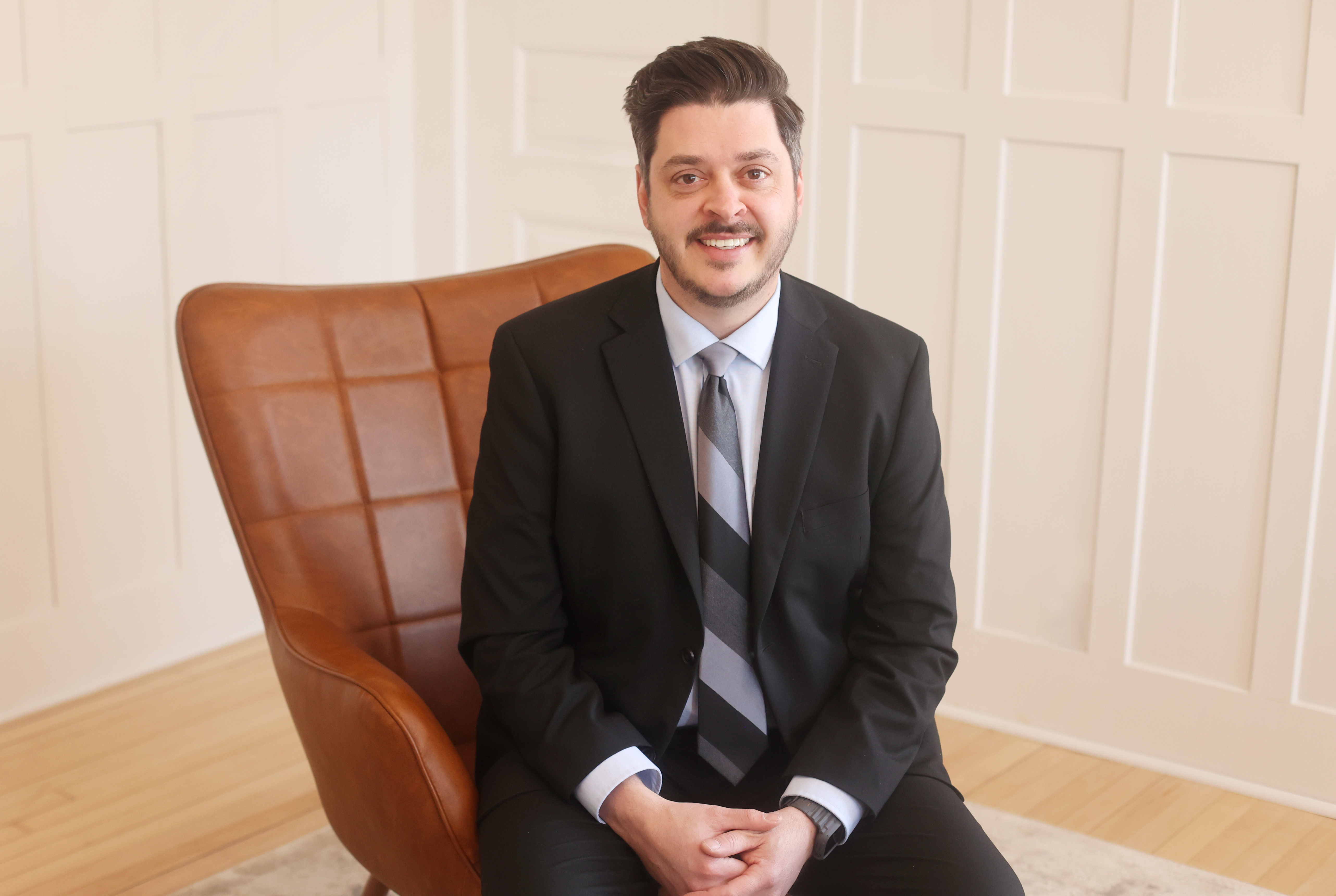
Scott Haider
Owner, Schneider Law Firm
Personal Injury & Disability Law
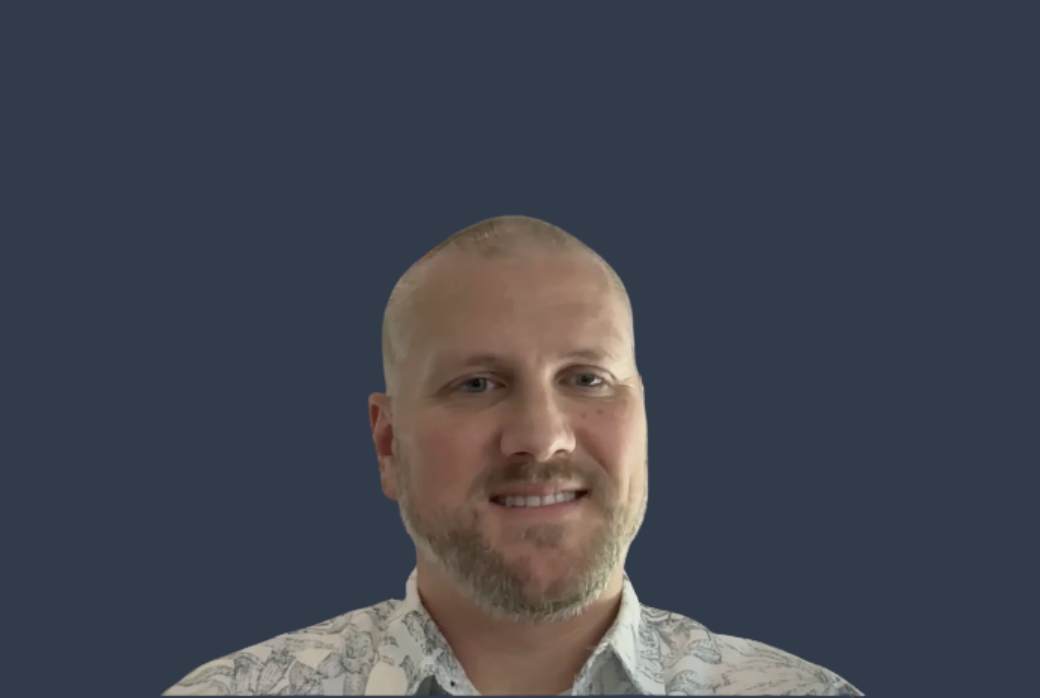
Luke Connally
Co-Founder, Superinsight.ai

Nelson Chu
Co-Founder, Superinsight.ai
🎧 Listen to the Podcast
Listen on Spotify • 31-minute episode
Episode Overview
This episode explores the practical applications of AI in legal practice, featuring insights from Scott Haider on how artificial intelligence is transforming the way legal professionals work, serve clients, and approach complex cases.
Key Topics Covered:
- The current state of AI adoption in legal practice
- Challenges and opportunities in legal technology
- How AI is improving efficiency and accuracy in legal work
- The future of legal practice with emerging technologies
- Practical advice for legal professionals considering AI adoption
About Our Guest
Scott Haider is an attorney at the Schneider Law Firm who thrives on advocating for clients when they need help the most. Based in Fargo, North Dakota, Scott has successfully represented clients in Social Security Disability, personal injury, long-term disability, and product liability cases across several states.
In Social Security Disability cases, Scott has won hundreds of favorable decisions from Administrative Law Judges and has successfully taken appeals all the way to federal district court in North Dakota and Minnesota. He has also represented clients on appeal before the Eighth Circuit Court of Appeals, helping people who were wrongly denied benefits by the government.
Scott earned his bachelor's degree in Political Science from the University of North Dakota in 2008 and graduated from the University of North Dakota School of Law. During law school, he worked as a clerk in the Grand Forks office of the Schneider Law Firm and co-wrote a publication on wind energy development in North Dakota.
Growing up in Burlington, North Dakota, Scott has always placed great value on helping his community. He currently serves on the board of the West Fargo Hockey Association and previously served on the board of The Arc of Cass County, which supports educational programs for people with intellectual and developmental disabilities.
Scott's focus on helping individual people and small operators navigate complicated systems, combined with his experience in mass torts litigation, provides valuable insights into how technology can serve those who need legal assistance most.
📝 Full Transcript
Nelson Chu (00:07)
Hey, welcome to our podcast by Superinsight. I'm your host, Nelson Chu.
Luke Connally (00:12)
and I'm Luke Connally.
Nelson Chu (00:13)
Yeah, we are here to talk about anything related to legal medical AI.
Luke Connally (00:20)
In this episode, we're going to sit down with Scott Haider. He's a disability attorney who's unlikely journey into law began with a late pivot during college and a life-changing experience of becoming a father in the middle of his first year of law school. So, he went from clerking at a small firm in North Dakota to eventually owning that same firm. And Scott's going to share with us how his background as a first-generation college graduate from a town of just 32 classmates shaped his grit and perspective on serving clients.
Specializing in disability law, he's seen firsthand how life-altering these cases can be, not just legally, but emotionally. And as clients often find new hope through his work, now as the firm's owner, Scott is also at the forefront of integrating artificial intelligence into his practice. He's leveraging tools like Superinsight to manage mountains of medical records, improve his efficiency and maintain a balance between work and family life. His story is one of perseverance, community impact and redefining what it means to run a modern law practice in the age of AI.
Luke Connally (01:29)
we're interviewing Scott Haider today and he's a disability attorney and we are always interested in asking questions of people who are kind of on the forefront of ⁓ really where technology and legal are intersecting today with everything that's changing rapidly. So Scott, thanks for being here today.
Scott Haider (01:53)
Yep, thanks for having me guys.
Luke Connally (01:56)
Yeah, man, we'd love to just start, if you don't mind, kind of just sharing your journey with us into law.
Scott Haider (02:03)
Yeah, definitely. I should know too. I wouldn't go as far as saying I'm on the forefront of technology, but I appreciate the kind words. Yeah, my journey into law is kind of a boring story. I know a lot of people I went to law school with, they knew they wanted to go to law school when they were in middle school, when they were in high school. And I kind of landed on law school my junior year of undergrad. I took a constitutional law class from my academic advisor and I really enjoyed the class and I remember talking to him after a class one day and just kind of, hey, know, giving any thoughts to law school and at that point, I mean, I sort of had my father-in-law as an attorney, so there was always that familiarity with being an attorney, but I think it was really kind of that class that was like, this might be a fit. I enjoy this. so yeah, that was the springboard.
Luke Connally (03:01)
Interesting. what really in that process, what changed your mind in kind of going from, not interested to really want to pursue this.
Scott Haider (03:13)
Well, yeah, I think it was twofold. One was I was a political science major. And so my options with the degree were pretty limited, which I knew that when I started down that path. But I think more than anything, the class itself, the Socratic method of that class and issue spotting and understanding why things work the way they do or how the law works, so to speak. And I think there's probably a reason Con Law is sort of that staple undergrad course because it's these disputes you're familiar with, just current events and whatnot. But yeah, I caught the bug at that point.
Luke Connally (03:52)
Nice. We know that you didn't have like, we couldn't call it, we could a traditional like law school experience, because you had some things, some life things happen. Can you tell us a little bit about like what happened, what happened and how that shaped you through that process?
Scott Haider (04:01)
Yeah, so I started law school in the fall of 2009. So I had graduated undergrad in December of 2008. So I had a eight month period where I was off of school. A lot of my classmates, they graduated undergrad in the spring of 09 and then started law school right away. So during that time, I got married after I graduated and was working just kind of a random job until school started. in the interim, my wife became pregnant and she was due right around finals first semester that first year of law school. And so I knew that was, you know, I, I was already overwhelmed with law school and the thought of it and like, my gosh, there's so much work and this is terrifying. But then when my son was born, he actually had a stroke in utero and so he was bored and then he was in the NICU for 10 days, a week before finals, my first year of law school. the school was very understanding, accommodating and so that... that first week of finals, because finals is two weeks, right? So I didn't take any finals that first week. I took finals the second week with the rest of my classmates. And then when they were on Christmas break, the following week, I did the rest of my finals. yeah, talking about, you know, talk about baptism by fire, like I puts things into perspective, I think is probably the best way to put it. We're like, ⁓ Yes, I'm stressed about these finals, but there are so many more important things. And yeah, I think it just was, once you get past that initial shock and, oh my gosh, this is terrifying. I never want to have another child because parenthood is the most terrifying thing in the world. Yeah, I think it just, I think it made school easier because I'm like, oh, well. There are more important things. I guess this is very important, something I care about deeply, perspective, I think, is the biggest thing.
Luke Connally (06:17)
Yeah, I would think so. That's kind of a big deal. Most college students don't experience that. that would shape things differently. Tell us about kind of your childhood. you have parents that were lawyers? mean, was this part of like kind of the path that you saw kind of as a kid that you wanted to jump into? mean, college? career, all that.
Scott Haider (06:23)
Right. I, yeah, mean, I, growing up, father was a carpenter. My uncles were, my grandfather was. so naturally I grew up helping my dad, learning how to swing a hammer, building houses, doing all that. And he always told us, for as long as I can remember, we'd be helping him out when I was. and he said, you guys are not going to swing a hammer for a living, you're gonna go to college. And so I always knew that I was going to go to college. And not just because my dad kept telling me this, but I saw the importance of it, the value of it. And I ran track my freshman year of college and... enjoyed it but knew that wasn't something I wanted to do throughout so I ended up transferring to school and I met my now wife and again like I mentioned her father is an attorney so it was nice as her and I started dating and I got to know her parents better that I could see her dad sort of testing me in a certain way, intellectually at times. And at first I was talking to my girlfriend at the time, I'm like, is your dad serious? But it was kind of a no, hey, this is a good thing. So yeah, and then from there again, it was just kind of that con law class. it sort of all made sense. yeah, college was always something I wanted to do. I was proud to be the first person in my family to graduate from college. I have two older brothers. But yeah, was definitely something I was very proud
Luke Connally (08:20)
Cool. Sounds like it had a shaping in your life in a big way though. mean, obviously if you're doing that kind of work with your dad growing up, you're not adverse to hard work, right? Yeah. ⁓
Scott Haider (08:31)
Right. Yeah. And I think too, you know, here in the Midwest, we're very prideful people. We take a lot of pride in work ethic. And I think it's definitely something that was instilled in me from a very young age. And, you know, I think that has helped me, you know, in school as an attorney, knowing, hey, this is hard work, but just because it's hard doesn't mean you can't do it. So... It's sort of cliche, but I think there's a lot of truth to it.
Luke Connally (09:01)
Yeah. Let's shift gears a little bit. You can you graduate law school. What's next?
Scott Haider (09:07)
Yeah, so backing up a little bit. So at the end of my first year of law school, that spring semester, a lot of my classmates, everyone felt pressured to find some job for that summer. And so people are starting to get these summer clerk positions. Some are clerking with judges at firms. And I felt a little a little behind the eight ball and felt even more pressure like, gosh, get a job. Hopefully it pays something because we have this young baby, have no money. I didn't work during the year. So it's like, well, the least I can do is try to find a paying summer job at a firm. And I had sent out some applications and was thinking about it. I like, oh wait, I know. lawyer in Grand Forks. And so I'm just gonna reach out to him and see if he needs help at his firm. And reached out. It was, I think we exchanged two emails. I said, hey Mac, do you need help this summer? And it was, yeah, sure, that'd be great. So I didn't send my transcript. I didn't send a resume. And so started clerking that summer in 2010. I graduated law school and I always knew I wanted to stay with the firm. So that's what I did. I stayed with the firm and 15 years later, I'm at the same firm. It's the only firm I've ever worked at, the only firm I'm ever gonna work at.
Luke Connally (10:35)
Yeah. I mean, you just kind of over overshadowed your role in that firm a little bit, but I can say probably there aren't a whole lot of people that clerked at the firm they now own, correct? Like that's pretty...
Scott Haider (10:48)
I mean, it's certainly possible. I can't think of any off the top of my head, but I probably know some. yeah, it just, again, the star is kind of aligned, if you will, where it's a plaintiff's fur, right? So PI, a lot of social security disability, do some work, huh? basically injured sick individuals. And I really enjoyed that type of work when I started clerking, kind of getting a sense of what we do day in and day out. And the firm was started by three brothers back in 1979. And the attorney that I contacted about getting the clerk job, was the son of one of those attorneys. so, you know, the uncles, his father eventually retired. And then for a number of years, was Mack Schneider was the attorney and then myself, and then we had another attorney here, Kylie Overson. And for a number of years, was the three of us. And then in 2022, Mack was... nominated subsequently appointed as US attorney for the district of North Dakota. So when he left to go serve in that role, I became the owner of the firm. And so right now it's Kylie and I, two attorney shop.
Luke Connally (12:16)
That's cool. And what kind of led you all into kind of working more on the disability side of things.
Scott Haider (12:23)
Well, think, you know, I think historically, you know, it was the the founding members of the firm just kind of had the the ethos of do well by doing good. And, you know, they identified with, you know, blue collar, hardworking individuals. And it's been a staple at this firm for over four decades where, yeah, we represent the little guy down on his luck. And yeah, it's been extremely, extremely rewarding.
Luke Connally (13:02)
Awesome. We always like to ask this question of a lot of people, but what's been a big, meaningful story or person that you guys have been able to help that's really kind of stuck out, stood out or stayed kind of with you guys in that process of building the culture within your firm?
Scott Haider (13:23)
Yeah, I think... the vast majority of our clients, through no fault of theirs, are kind of down on their luck. Or it feels that way, that nothing can go right, because again, given the nature of the work that we do here, most of them are unable to work, whether that's a sickness, an illness, an injury, again, through no fault of theirs. And so, By and large, there's so many similarities across a lot of our clients. I'd say the most rewarding is the reaction or the response that our clients will have winning a case. And it elicits every emotion imaginable. you know, it's life changing and they're crying and you know, like you have no idea what this means to me. And I don't say that to, you know, break my arm patting myself on the back because a lot of people do a lot of great things. But it's times like that that it makes it really easy to do what I do. I never get up in the morning like, ⁓ God, I gotta go to the office. And it sounds corny, I know it does, but I can't stress enough how honest that feeling is, knowing that you even played a small part in helping somebody get through an extremely difficult time. It's extremely rewarding.
Luke Connally (14:45)
Yeah, I can totally relate with that in the years that I spent at the VA. You know, you do get similar feelings when you're really able to help somebody break through, you know, and kind of earn, finally get to the place where they're getting what they've, you know, what they deserve, really.
Scott Haider (14:57)
Mm-hmm. Yep.
Luke Connally (15:06)
And that's a big deal, especially when they're at the place, that point in life where they're at. It's really encouraging to see the system finally work that way.
Scott Haider (15:17)
Yeah, yeah, exactly. Because I would say there are very few situations where someone is reaching out to an attorney regardless of what's going on and them not feeling a sense of desperation or urgency or, hey, this is a really big deal and if it doesn't go right, things are going to get even worse. And I... Right when I started practicing, like that mentally was a heavy thing for me to kind of grasp like, no pressure, but if you screw this up, it's going to be pretty bad. you know, once you kind of, and you don't have a choice, you just have to, you just have to get over that. But yeah, I'd be lying if I said that, you know, initially, you review a file and you're going through records and it's hard not to, because there's so much trauma and tragedy and it's like, cannot imagine what this person's going through, but they came to us for a reason. We gotta put that aside. We gotta look at this objectively, still wanting to fight really hard for this person, but still have a job to do.
Luke Connally (16:29)
Sure. Yeah, I hear that.
Nelson Chu (16:30)
Yeah. Yeah. Thanks for sharing that, Scott. Like when Luke and I got together, were thinking about, know, AI is going to change a lot of the ways that we work in the future. You know, I come from an engineering background, so I could go into different type of industry. know, legal and medical is kind of new for me. But one of things that we decided to start Superinsight was, well, I can work on using AI to help people make more sales call, make you watch more videos. Or I can change the life of people who really need. So that sounds so much more rewarding for me. You're on it day in and day out. But at least we get to play a part of, we helped Scott today to be a little bit more productive, a little bit faster. And I can go back and talk to my kids and say, that's what I did today. So that's more rewarding than trying to show you more ads.
Scott Haider (17:00)
Mm-hmm. Right, yeah.
Nelson Chu (17:20)
When you started using AI, what was going through your thoughts on saying, hey, this is new? How do I approach this new technology? And why did you decide to say, I'm going ahead and try it out and see how that affects my day-to-day work?
Scott Haider (17:38)
Yeah, initially the word I would use is terrified because there's still so much I do not grasp. I don't know what I don't know, but I'll never forget. I was attending a CLE and the last speaker at this conference was a representative from my malpractice carrier. And he was talking about the importance of AI and how every attorney should have some tool in the toolbox as it relates to AI. And before that, I always thought it was sort of the Scarlet Letter where, no, can't do anything AI. There's ethical concerns there. There's privacy. mean, the list goes on and on. And when, when he went through his presentation and he was using chat GPT as, his example and kind of showing what it can do, certainly got me interested in, in trying to figure out if there's anything that a makes sense for me to utilize and most importantly that I would feel comfortable and confident using because again, was very leery, but hearing him talk certainly helped kind of ease some of those concerns. And the initial thought was, is there anything related to medical records that I can use to help? Because so much of what we do involves medical records and at the risk of sounding like I'm exaggerating, probably reviewing well over 10,000 pages of medical records a month and have been for the last 13, 14 years. So I'm bad at math, but that's a lot of medical records. my initial plan was, okay. There's got to be something that can help me be more efficient in reviewing medical records. And that's what I knew where I wanted to start this journey of looking at AI.
Luke Connally (19:43)
Hmm.
Nelson Chu (19:43)
Interesting. Yeah, there's definitely some upsides and there are some downsides and some risks, right? How did you evaluate the risks and what did you do to kind of overcome some of the hesitations you might have?
Scott Haider (19:55)
Yeah, so the biggest issue from my perspective or what I saw as being the biggest issue was the privacy and knowing that it's secure. And I had looked at a few different options to kind of help with this medical records conundrum that I am perpetually in. And it's always looking at, know, is it HIPAA compliant? What are the safety measures? And I know that, you know, attorneys frequently use Dropbox, you know, to share sensitive documents. And what I've gathered is the way when I was talking to different companies and what their products used, they would kind of explain it in a way that, we have the same encryption and security as Dropbox does. And I was like, okay, well, that makes me relieved to hear that because I've shared and received countless documents on Dropbox that are very sensitive in nature. So that's the biggest one is knowing that my clients... documents, their medical records, which I mean, there's not many things more important that you want to keep secure than a medical.
Nelson Chu (21:16)
Interesting. Yeah, I never thought about that, but making that association is what type of tools that I'm already using today to handle those medical records and whatever vendors that I'm going to use have the same type of security kind of standard that kind of makes sense, right? Because if you don't get in trouble using the same security as Dropbox, you wouldn't be in trouble using the new vendor for sure. Now, disability cases, know, short security is... somewhat different. I every practice is a little bit different, but can you dive into specifically how does using AI change how you work in short security disability cases?
Scott Haider (21:54)
Yeah, it's The biggest thing is, with utilizing Superinsight is, getting a summary of the medical evidence because that's the biggest time suck, if you will, when working up a case. Because in these cases, in a disability case... vast majority of them go to an administrative hearing before an administrative law judge. So the bulk of what I do on a disability case is that lead up to and then the hearing itself. And even being efficient in reviewing medical records because I've been doing it for so long in terms of knowing where to look and what information is relevant and what's not because It's hard to sift through that when you're starting to do it because it's overwhelming. There's so much information in a random progress note. So having the ability to get that information condensed and then using that as sort of my jump off points to sort of give me a guide as to what the conditions are. of any certain client and depending on what I see, it's like, okay, I know I need to go here to this facility, this doctor, dig in more depth to these notes, what the doctor is saying, treatment recommendations, things of that nature. But yeah, it's kind of like a springboard, again, where... I don't solely rely on it to be the end all be all, but it gives me a really good foundation to allow me to quicker dive in deep like I need to.
Nelson Chu (23:37)
Interesting. Now, your experience, you got a couple decades on your back, and you know exactly how to use the AI in a way that doesn't change the way that you learn about the law. What would be your recommendation of somebody coming new, like the 25-year-old Scott just coming into this elite space, we've got so many of the AI tools. What would be your recommendations and how would you approach the 25 year old Scott?
Scott Haider (24:04)
That is a really good question. I think that there is inherent value in knowing how to do something before you're going to look to AI to tell you how to do it. Now, I can use AI to give me a great recipe and something that is mundane, that nobody's livelihood is relying. But if I'm going to give 25 year old Scott some advice, it's go through for the next five months without relying too heavily on anything AI related. Because you need to know how to do what you're doing. Because having been doing this. for the amount of time that I have, I know what's useful and what's not useful. So if I'm utilizing something, some AI product, and it spits out information, I know whether that's good information or bad information, or if it's helpful or if it's not helpful. Where to the uninitiated, you might be like, yeah, this is the important information that I need when it doesn't matter at all.
Luke Connally (25:13)
Yeah.
Nelson Chu (25:13)
Yeah, interesting. Okay, so we're go to different directions to talk about your life after work. Once you finish up with your day-to-day, what do you do your spare time?
Scott Haider (25:27)
Yeah, so I have three kids. My oldest, who was born when I was in law school, he's 15 now. He's a sophomore in high school. And then I have two daughters. My oldest daughter is 12. She's in seventh grade. And then my youngest daughter is nine and she's in fourth grade. So they... They keep me pretty busy with activities and thankfully my oldest has his license so he can get himself around and can drop his sisters off at friends house or hockey practice or whatever, that's helpful. Yeah, mean, try to spend as much time with... with my wife, doing things we enjoy to do, going out to eat, going to concerts, going to the lake. I like to golf. I like to play golf. So living in North Dakota, the golf season at best is six months. Typically it's like four. So, you know, I try to play, you know, once a week. And other than that, it's... We hang out a lot at home. It's kind of catch your breath and life doesn't need to move so fast all the time. But yeah, really, my wife and I, our world revolves around our kids. So we try to keep them active, encourage them to try whatever they want to try and support them. And yeah, that's... Beyond that, there's not a whole lot of free time.
Nelson Chu (26:57)
Yeah, for sure. Yeah.
Luke Connally (26:59)
Oh, I think Nelson and can both relate with that. are very similar ages to yours, 15, 13, eight. So yeah, it's full contact sport, I always say.
Nelson Chu (27:02)
Yeah, I got all girls, Luke's got all boys.
Scott Haider (27:05)
nice. Yeah. Yeah, yeah, we're playing zone defense. It's not man to man anymore.
Luke Connally (27:18)
Yeah, exactly. We wrecked ourselves when we moved from man to man to his own, we? Crazy. What's something that you would see as like a big takeaway for people who would get to know Scott in this interview process? What advice would you give them?
Nelson Chu (27:18)
Ha
Scott Haider (27:22)
Yeah. that's a, that's a good question. mean, generally speaking, general advice.
Luke Connally (27:40)
Well, I always think of like, maybe ⁓ somebody else that's kind of on the edge of moving forward with technology in their practice. Maybe it's a young law student who, I mean, I think you gave great advice a minute ago, which I think is a universal truth. Like before you have something automate what you do, you should probably know what you do, right? Which I think is a solid truth. But a big one, being like to maybe somebody who, who life, some life wisdom, Scott, you've been through some stuff. What's a big takeaway?
Scott Haider (28:12)
Yeah, I think... Keep things in perspective, whether that's in your family life, at home, with your friends, at work, with your colleagues, because it's easy to lose sight of the forest through the trees. And as parents, we say it all the time, where you blink and your kid is a sophomore in high school. And there's a fine line there because I don't want my kids to become adults and say, my dad was always at the office. He was never around. When he was home, he was stressed. He was crabby. And I need to take my own advice that I'm giving here too at times because I'm definitely not perfect. Yeah, I think as I've gotten a little older, you kind of learn to appreciate things a little bit more. And if you don't enjoy those moments, whether it's a professional win or a high GPA for one of your kids and you're super proud of them. What's the point? Like, why do we work so hard? Why do we give so much at home emotionally, financially, whatever the case may be, if you're not going to take a step back and appreciate it and soak it in for a little bit because that, they're fleeting moments. yeah, that's what I would say is perspective is a big thing that I try to. think about as much as possible.
Luke Connally (29:55)
I like that. I'm a big fan of perspective because it's a humbling factor too. yeah. All right. Well, man, that kind of wraps up our talk today. we just appreciate your time with us and appreciate your willingness to sit with us and chat. So.
Scott Haider (30:16)
⁓ no, thanks. Thanks for having me. It's been it's been great working with you guys. I've enjoyed it and you know, you're both of you guys, your your willingness to take feedback and all the conversations we've had have been super helpful and made made things a lot more efficient for me, which is you can't put a price on that. So, yeah, happy to do it. I'm glad I'm glad you guys asked.
Luke Connally (30:40)
Awesome. anything we can do to you not do less, but be more efficient.
Nelson Chu (30:41)
It's got
Scott Haider (30:48)
There you go. Yeah, no, I appreciate that.
Nelson Chu (30:49)
Thank you.
Luke Connally (30:52)
Yeah. All right. Sounds good. Well, thanks, Scott. Appreciate me. All right.
Scott Haider (30:54)
Yep, you bet. Yep, thanks guys.