Brian Mittman: leveling the playing field in disability law
Disability law, medical evidence, and disciplined workflows when the outcome depends on getting the record right.
Listen →Superinsight blog
Buyer’s guides, published pricing, case studies, and conversations with the attorneys and advocates who read these files for a living.
Latest episode
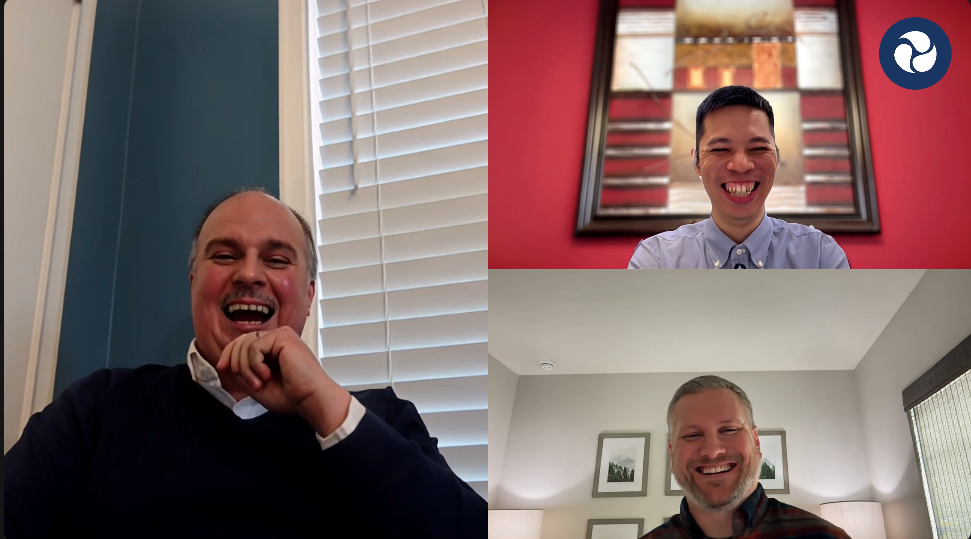
Luke Connally and Nelson Chu talk with Christopher Pozios about scaling a disability practice intentionally: lean operations, workflow design, and growth that does not cost your clarity or your health.
Listen to the episode →Beyond the Case Files
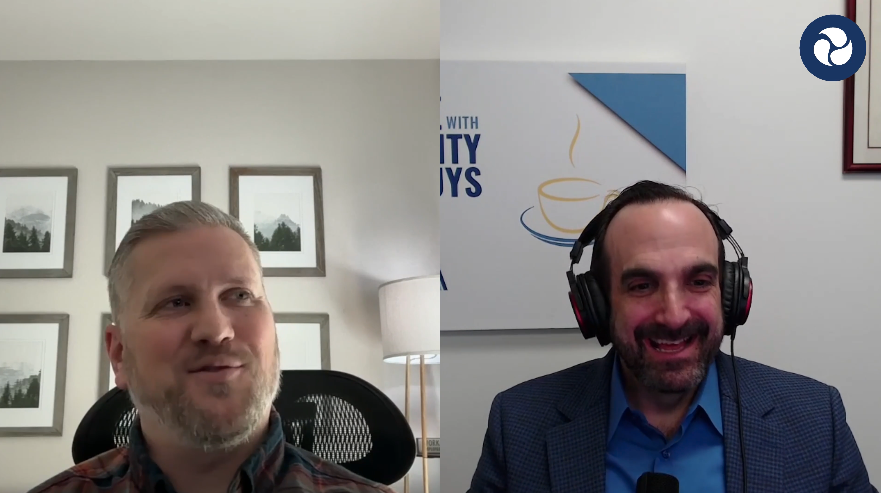
Conversations with legal and medical professionals about how the work actually gets done.
Disability law, medical evidence, and disciplined workflows when the outcome depends on getting the record right.
Listen →
After 24 years in the Air Force and leadership roles at Deloitte and the SEC, D.K. found a new calling helping veterans cut through the red tape.
Listen →
A 20-year Army veteran on the road from homelessness to helping secure billions in compensation for other veterans.
Listen →
An attorney at McMahan Law on putting AI to work on medical records in a high-volume practice without losing the human side of advocacy.
Listen →
The founder of Hawai‘i Disability Legal Services on running a paperless, remote-first firm so geography does not decide who gets represented.
Listen →
The owner of Schneider Law Firm on disability and personal injury work at volume, and why malpractice risk pushed him toward structured review.
Listen →Guides
Methods, templates, and the questions to ask before you hand a file to anyone, whether the reader is software or a person.
What a medical chronology is, why it has always been hard to build, and what AI has to get right, with an interactive sample case.
Read →The seven-step method, the four-column template, and what changes when software does the extraction instead of a reviewer.
Read →What a plaintiff firm should test before it buys: verifiable findings, review responsibilities, data terms, and the true cost.
Read →Features, costs, and implementation: a framework for matching software to how your firm already works.
Read →AI versus manual services, what each costs, and how to tell which one a given case actually calls for.
Read →Systematic approaches, technology integration, and the privacy obligations that come with moving records around.
Read →A missed record cost one firm $2.3 million. What went wrong, and the diligence that would have caught it.
Read →How structured record review maps onto the SSA’s evaluation process, step by step, and where the time actually goes.
Read →Missed ERE updates are a systems problem, not an attention problem. What automated monitoring changes.
Read →Comparisons
Published prices where we could find them, and a plain accounting of what each contract commits you to.
Published prices, billing models, and the costs beyond the software fee, compared across the tools firms evaluate.
Read →Outputs, review workflows, and published pricing across the medical chronology tools legal teams are evaluating this year.
Read →Who publishes a price, what the contract commits you to, and who checks the chronology before it reaches your inbox.
Read →Three of the most-evaluated platforms side by side on output, turnaround, and what each one asks you to commit to.
Read →The earlier survey of the market, kept online for reference. Start with the 2026 guide for current pricing.
Read →Case studies
Five practices, five different bottlenecks, and an honest look at where the tooling helped and where it did not.
Trust-but-verify QA on massive files, and a clear-eyed test of whether throughput and issue-spotting cover the subscription.
Read →Multi-track VA dockets need grounded chronology plus narrative tools. The article walks the model and the budget caveats.
Read →Structured passes on longitudinal charts, verification against source PDFs, and hearing prep that stopped capping the calendar.
Read →Why even a heavy LLM user buys a maintained record product instead of babysitting brittle custom prompts.
Read →Summarizing medical evidence dominates hearing prep. Structured output as a map for the targeted deep read.
Read →Industry analysis
Where the record volume comes from, who is required to read it, and what the public data says about the pressure.
WCIRB loss data, QME capacity limits, and 7,000+ self-insured employers explain why the problem is volume, not litigation alone.
Read →Optional coverage splits Texas in two: subscriber admin claims and non-subscriber tort litigation, with very different record demands.
Read →How California’s panel-based QME and mutual AME routes differ from the national IME model, and what happens in a dispute.
Read →Manual page logging, ex parte rules, AMA impairment math, and 30-day reporting deadlines all create drag on evaluators.
Read →Merit review, peer second opinion, and retained testifying expert serve different purposes, at very different costs.
Read →Newsletter
New guides, pricing updates, and episodes as they publish. No more than a couple of emails a month.
Try it on a real file
Upload a case and read the chronology yourself. The evaluation costs nothing and there is no limit on cases or pages.